
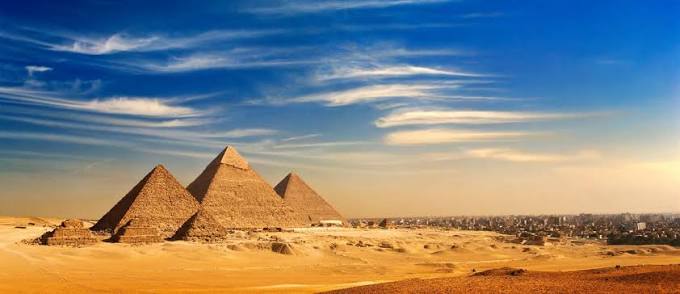
When most travelers think of Egypt, images of soaring pyramids, golden pharaoh masks, and the majestic Nile River immediately come to mind. However, beneath the famous sands of this ancient land lies another spiritual legacy: Egypt’s sacred Coptic Christian heritage.
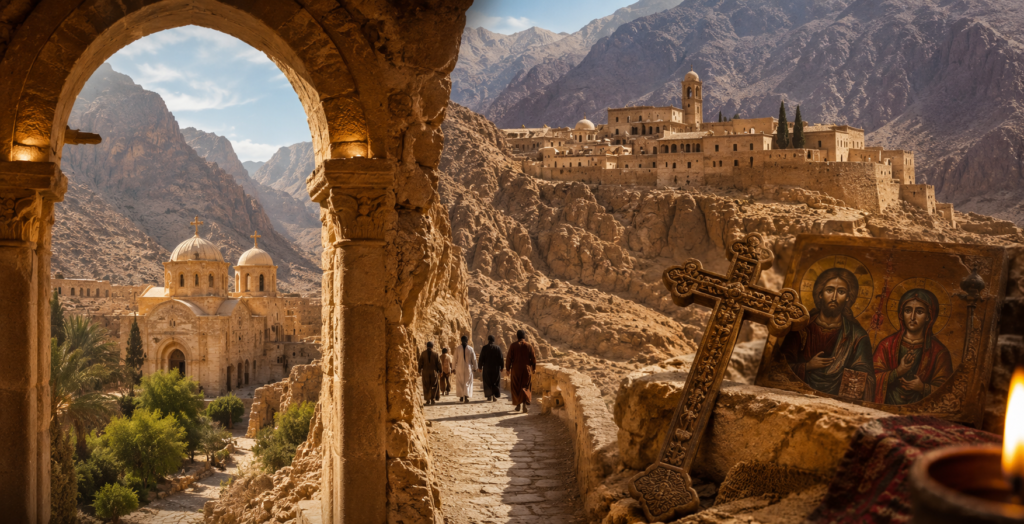
As one of the world’s oldest Christian traditions, Coptic Christianity has preserved ancient sanctuaries, hidden desert retreats, and holy pilgrimage routes that date back over two millennia. Whether you are a culture enthusiast, history buff, or spiritual traveler, exploring Egypt’s hidden Coptic monasteries offers a peaceful, profound, and unforgettable journey into living history.
The Holy Family Trail: Tracing Sacred Footsteps Across Egypt
One of the most meaningful pilgrimage routes in the world is the Holy Family Trail. According to Christian tradition, Mary, Joseph, and the infant Jesus fled to Egypt to escape King Herod’s persecution, traveling over 2,000 kilometers across the country.
Today, pilgrims can follow this sacred journey through several historic stops:
- Coptic Cairo (Babylon Fortress): The starting point for many travelers. Here, you will find the Saints Sergius and Bacchus Church (Abu Serga), built over the crypt where the Holy Family is believed to have rested.
- Maadi Mary Church: Situated on the banks of the Nile in southern Cairo, this historic church marks the spot where the Holy Family boarded a sailboat heading to Upper Egypt.
- Jabal al-Tayr (Minya): Perched high on a cliff overlooking the Nile, the Monastery of the Virgin Mary at Jabal al-Tayr houses a rock-cut church established by Empress Helena in 328 AD.
- Al-Muharraq Monastery (Asyut): Located near Asyut, this sanctuary is considered one of the holy trail’s most significant sites. The Holy Family stayed here for over six months, and the original altar in the Church of the Virgin Mary is regarded as one of the oldest in Christendom.
The Desert Monasteries of the Red Sea: St. Anthony and St. Paul
Deep in Egypt’s Eastern Desert, nestled between rugged granite mountains and the Red Sea, lie two of the oldest functioning monasteries in the world:
1. Monastery of Saint Anthony (Deir Mar Antonios)
Founded around 356 AD, this monastery honours St. Anthony the Great, the father of Christian monasticism. Visitors can walk up a steep cliff path of over 1,000 steps to visit St. Anthony’s original cave, offering breathtaking views across the desert expanse. Inside the fortress walls, ancient frescoes, handwritten manuscripts, and tranquil courtyards reveal a timeless atmosphere of quiet contemplation.
2. Monastery of Saint Paul (Deir Mar Boulos)
Located just a short distance from St. Anthony’s, this secluded monastery was built over the cave of St. Paul the Hermit, who lived alone in the desert for nearly 90 years. Known for its serene atmosphere and ancient rock-hewn chapels, it offers visitors a rare glimpse into early Christian hermit life.
Wadi El Natrun: The Sacred Valley of Monastic Wisdom
Situated halfway between Cairo and Alexandria lies Wadi El Natrun (the Nitrian Desert). In the 4th century AD, hundreds of Christian ascetics retreated to these desert dunes to dedicate their lives to prayer and study.
Out of dozens of original monastic settlements, four active complexes remain open to respectful visitors today:
- Deir Anba Bishoy: Known for its ancient fortified tower (qasr) built to protect monks from desert raids.
- Deir Al-Surian (Monastery of the Syrians): Famous for its stunning 10th-century Syrian frescoes and extensive collection of early religious manuscripts.
- Deir Al-Baramus: One of the earliest sanctuaries established in the valley, known for its tranquil gardens and rustic historic chapels.
- Deir Abu Maqar (Monastery of Saint Macarius): A historical seat of Coptic spiritual learning holding significant archaeological treasures.
Essential Travel Tips for Visiting Coptic Holy Sites
Planning a trip to Egypt’s spiritual and monastic landmarks requires a little extra preparation to ensure a respectful and rewarding experience:
- Dress Modestly: When visiting active monasteries and churches, cover shoulders and knees. Women may want to bring a light shawl for cathedral visits.
- Check Opening Schedules: Some desert monasteries close their doors to tourists during fasting seasons (such as Holy Week and Great Lent). Always verify visiting hours before setting out.
- Hire a Local Guide: A knowledgeable local guide can unlock the deep historical and spiritual context behind ancient symbols, Coptic artwork, and hidden architectural features.
- Prepare Your Travel Documents: Ensure your entry visa is arranged well in advance to avoid delay upon arrival at the airport.
Simplify Your Pilgrimage: Apply for Your Egypt e-Visa
Before embarking on your journey through Egypt’s sacred heritage, securing the proper travel authorization is the most important first step. Travelers from over 70 nations can skip airport queues by applying online for an official e-Visa.
Check if your passport qualifies by reviewing the list of eligible countries for Egypt e-Visa.
Why Choose Us for Your Travel Visa?
Navigating visa requirements should never compromise the excitement of your upcoming journey. Here is why thousands of travelers trust our specialized service:
- Reliable Travel Visa Services: Our global expertise has helped countless international travelers smoothly secure their Egyptian visas without hassle.
- Round-the-Clock Assistance: Have questions during your application? Reach out to our dedicated support team 24/7, and our experts will respond within 72 hours.
- Experienced Visa Consultants: Receive step-by-step expert guidance designed to review your details and maximize application approval rates.
- Efficient Visa Application Process: Skip lengthy paperwork and complete your application in just minutes using our simplified, user-friendly form.
Start planning your spiritual voyage today, secure your e-Visa, and step into the sacred landscapes of ancient Egypt!