

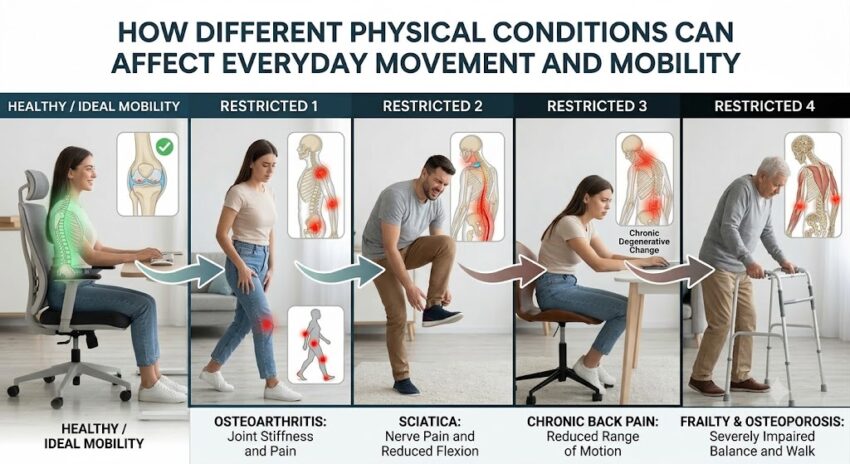
Everyday movement depends on the coordinated function of the spine, muscles, joints, and feet. When one part of the body becomes painful or restricted, it can affect activities that normally feel simple, such as walking, standing, bending, climbing stairs, or maintaining balance. Back discomfort and foot injuries are two common examples of conditions that can change movement patterns and make daily routines more difficult.
Understanding the causes, symptoms, and appropriate management approaches can help people respond to physical discomfort more effectively. Early attention, healthy movement habits, and guidance from a qualified healthcare professional can also support safe recovery and help prevent recurring problems.
How Back Pain Can Affect Daily Movement
Back pain can range from mild discomfort to persistent pain that interferes with normal activities. Lower back pain is particularly common because the lower spine supports much of the body’s weight and is involved in many everyday movements.
A person experiencing back discomfort may unconsciously change how they sit, stand, bend, or walk to avoid pain. These compensatory movements can place additional stress on surrounding muscles and joints.
Common symptoms may include:
- Aching or discomfort in the lower back
- Muscle stiffness after sitting or resting
- Reduced spinal mobility
- Difficulty bending or twisting
- Pain that becomes noticeable during prolonged standing
- Walking difficulties caused by discomfort or muscle tension
The effect of back pain can vary depending on its underlying cause and severity. A temporary back muscle strain may improve with appropriate rest and gradual movement, while persistent or recurring symptoms may require professional assessment.
Common Causes of Back Discomfort
Back problems can develop for many reasons. Muscle strain, poor posture, repetitive movements, prolonged sitting, and sudden physical exertion are common contributors. In some cases, underlying spinal or joint conditions may also cause discomfort.
Daily habits can have a significant influence on spinal health. Sitting for long periods without changing position may contribute to muscle stiffness, while repeatedly lifting objects with poor technique can place unnecessary stress on the back.
Other possible factors include:
- Limited physical activity
- Improper lifting techniques
- Weak core and supporting muscles
- Repetitive work-related movements
- Poor sitting or standing posture
- Sudden changes in physical activity
Identifying possible triggers is an important part of managing recurring discomfort. A healthcare professional can help determine whether symptoms are related to muscles, joints, nerves, or another underlying condition.
The Role of Posture and Movement Patterns
Posture affects how forces are distributed throughout the body. Slouching, leaning to one side, or maintaining the same position for extended periods can contribute to discomfort and reduced movement efficiency.
Posture correction does not necessarily mean maintaining a rigid position throughout the day. Instead, healthy posture involves changing positions regularly and allowing the body to move comfortably.
Simple habits may include:
- Adjusting the height and position of a workstation
- Taking regular movement breaks
- Keeping frequently used objects within easy reach
- Avoiding prolonged static positions
- Using proper lifting techniques
- Maintaining comfortable alignment while sitting and standing
Improving movement habits can reduce unnecessary strain and make everyday activities more comfortable.
Treatment Approaches for Back Pain
The appropriate approach depends on the cause and severity of the symptoms. Mild, short-term discomfort may improve with appropriate activity modification and gradual return to normal movement. However, persistent, worsening, or unexplained pain should be assessed by a qualified healthcare professional.
Physical therapy may be recommended when movement limitations, muscle weakness, stiffness, or recurring pain affect daily activities. A physiotherapist can assess movement patterns and develop an individualized rehabilitation plan.
Depending on the person’s condition, treatment may involve:
- Mobility exercises
- Gentle stretching
- Strengthening exercises
- Posture education
- Movement retraining
- Manual therapy where appropriate
- Gradual return to normal activities
For people specifically looking for back pain treatment kl, professional assessment can help identify an appropriate treatment pathway rather than relying on a one-size-fits-all approach.
How Foot Injuries Can Change Walking
The feet provide support and help absorb forces during standing and walking. When an injury affects the foot, people may change their walking pattern to avoid putting pressure on the painful area.
This can lead to limping, reduced weight-bearing, or difficulty maintaining balance. Over time, altered movement may also place additional stress on the ankle, knee, hip, or lower back.
Foot injuries may occur because of:
- Accidental falls or impacts
- Sports-related activity
- Repetitive stress
- Inappropriate footwear
- Sudden increases in physical activity
- Twisting or overstretching
Symptoms can vary depending on the injury but may include pain, swelling, tenderness, stiffness, bruising, and difficulty bearing weight.
Recovery and Rehabilitation After a Foot Injury
Foot injury recovery generally depends on the type and severity of the injury. Some minor problems may improve with activity modification and appropriate home care, while more significant injuries may require medical evaluation and structured rehabilitation.
Rehabilitation often focuses on restoring comfortable movement and gradually rebuilding strength. Depending on the condition, a healthcare professional may recommend mobility exercises, strengthening work, balance activities, and gradual weight-bearing.
When considering foot injury treatment in Malaysia, an assessment by an appropriately qualified healthcare professional can help determine whether conservative management, physiotherapy, further investigation, or another approach is suitable.
The goal of rehabilitation is not simply to reduce pain. It is also to restore functional movement and help the person return safely to normal activities.
Why Back and Foot Problems Can Be Connected
Although back pain and foot injuries affect different parts of the body, they can influence one another through movement patterns. A painful foot may cause someone to walk differently, while an existing back problem may affect posture and stride.
For example, avoiding weight on an injured foot can shift body weight toward the opposite side. Similarly, restricted spinal mobility may change how a person bends or walks.
This is why rehabilitation often considers the whole movement system rather than focusing exclusively on the location of pain.
When Professional Assessment Is Important
Not every episode of discomfort requires extensive treatment, but certain symptoms should not be ignored. Professional assessment may be appropriate when pain is persistent, repeatedly returns, significantly limits movement, or develops after a substantial injury.
People should seek prompt medical attention when symptoms are severe or accompanied by concerning signs such as significant weakness, loss of sensation, major swelling, deformity, or an inability to bear weight after an injury.
A qualified healthcare professional can assess symptoms, identify possible contributing factors, and recommend an appropriate management plan.
Supporting Healthy Movement Every Day
Maintaining mobility is an ongoing process. Regular movement, appropriate physical activity, good posture habits, and gradual progression can help support the muscles and joints involved in everyday activities.
Helpful habits include:
- Staying physically active within comfortable limits
- Taking breaks from prolonged sitting
- Practising suitable mobility exercises
- Building strength gradually
- Wearing appropriate footwear
- Paying attention to changes in walking patterns
- Allowing adequate recovery after demanding activities
Most importantly, exercise and rehabilitation should be appropriate for the individual’s condition. Exercises that are helpful for one person may not be suitable for another, particularly when an injury or underlying medical condition is involved.
Conclusion
Healthy movement relies on the interaction of the spine, muscles, joints, and feet. Back discomfort and foot injuries can interrupt this interaction and influence posture, balance, walking, and everyday mobility. Understanding potential causes and recognizing changes in movement can help people take appropriate action.
With suitable assessment, targeted rehabilitation, and healthier movement habits, many people can work toward restoring comfortable function and returning to their usual daily activities. Professional guidance is especially valuable when symptoms persist, worsen, or interfere significantly with normal movement.