
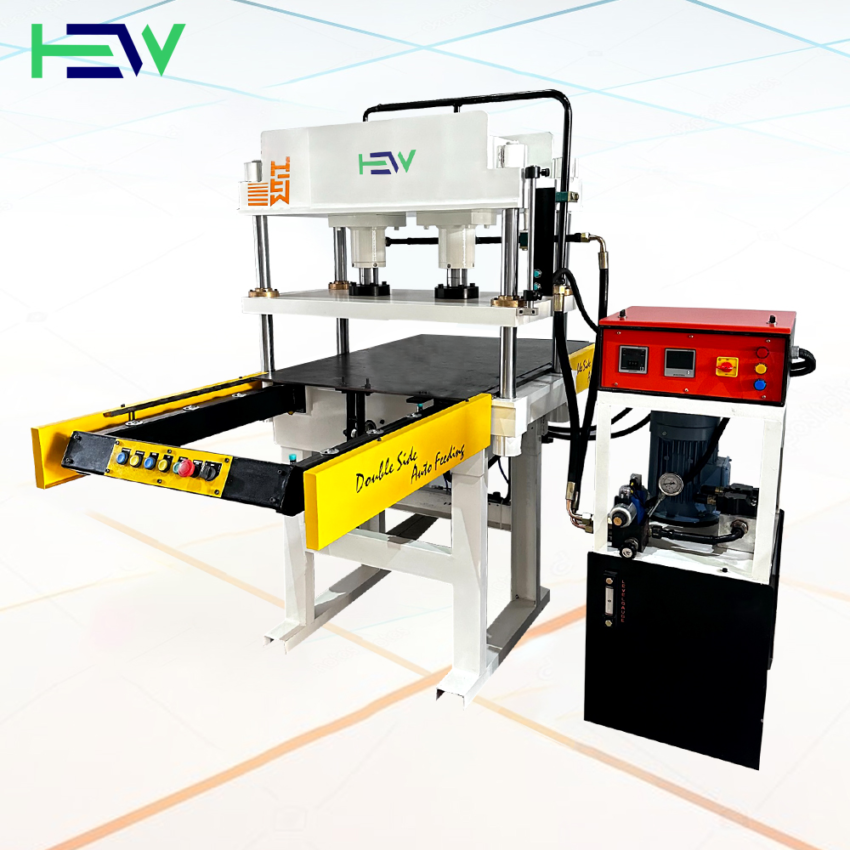
A PU foam cutting machine is not the kind of equipment that gets a lot of attention until it stops cutting cleanly. It runs, it produces foam blocks, and as long as the cut is accurate, nobody thinks twice about what is happening inside the gear housing. The moment cutting accuracy starts slipping, dust build-up is usually the reason.
That build-up does not happen overnight. It is gradual, it is mostly invisible, and by the time it becomes obvious, it has usually been accumulating for a while. This post walks through why it happens, what it actually does to the machine, and how to clean it out safely.
Why This Matters
Getting maintenance wrong in either direction costs you. Ignore the dust and you end up with a gear seizure that takes the machine out of production for days. Over-clean with the wrong method, using aggressive solvents or high-pressure air in the wrong spots, and you risk damaging seals or pushing debris deeper into the mechanism instead of out of it.
A PU foam cutting machine handles cutting across automotive seating, mattress production, furniture padding, and packaging foam, among other applications. When it is running well, cutting is accurate and consistent. When dust has built up internally, the signs usually show up clearly if you know where to look.
Sign 1: Cutting Accuracy Drifting Without an Obvious Cause
Every PU foam cutting machine loses a bit of precision over time. That is normal wear. But if the blade or wire system has been checked and is in good condition, and cuts are still coming out inconsistent, internal gear contamination is the more likely cause rather than something the cutting mechanism itself will fix.
If this is the only issue and the rest of the machine is in reasonable condition, a thorough gear clean and re-lubrication often restores accuracy close to original levels. If the contamination has been building for a long time and multiple components show wear, a more involved service becomes the better option.
Sign 2: Unusual Noise or Vibration from the Gear Housing
Noise or vibration coming from the gear area means something inside has changed. The noise itself is the symptom, not the actual problem. Dust mixing with old lubricant forms an abrasive paste rather than a smooth lubricating film, and that paste is usually what is making the noise as gears move through it.
The exception is when the noise is coming from a damaged tooth or a bearing that has already worn from the abrasive contamination. That kind of wear is harder to reverse with cleaning alone and is a stronger signal that a fuller inspection, not just a clean, is needed.
Sign 3: Motor Running Hot or Drawing More Power Than Usual
A motor should run consistently. Running hotter than usual, or drawing noticeably more power for the same cutting job, is a sign that something downstream is creating extra resistance. Any one of these is worth investigating.
In many cases, the resistance is coming from a gear assembly that is no longer moving freely because of built-up dust and hardened residue. This is actually useful information for diagnosing the problem. If the motor itself tests fine in isolation, the gear housing is almost certainly where the issue sits, and a clean rather than a motor replacement is what is needed.
Sign 4: Visible Dust Accumulation at Access Points
These PU foam cutting machines generate fine particulate dust as a normal part of cutting foam. If you are seeing visible dust accumulation around access panels, vents, or seams in the housing, that is a sign dust is also accumulating in places you cannot see, including the gear mechanism.
Surface dust alone is not necessarily a problem. But if you can see dust mixed with old lubricant forming a darker, paste-like residue at any visible joint, that same mixture is very likely present inside the gear housing as well. It is a useful early warning that an internal clean is due.
Sign 5: Frequency of Cleaning Needed Is Increasing
This is less about a single sign and more about a pattern. If you find yourself needing to clean the machine more often than you used to, with dust accumulating faster between sessions, that points to a production volume increase or a ventilation issue that needs addressing, not just more frequent cleaning as a workaround.
A PU foam cutting machine that needed a clean every quarter and is now needing attention every few weeks is telling you something about how it is being used or maintained, not just that it needs more frequent servicing on the same schedule as before.
How to Clean Internal Gears Safely
- Power down and isolate the machine completely
Switch off the power supply and isolate it at the source before opening any access panel. Gear mechanisms can retain residual movement in spring-loaded components even after the motor stops. Confirm the machine is fully de-energised before proceeding. - Access the gear housing
Remove the relevant access panel according to the manufacturer’s guidance rather than forcing access through a route that was not designed for it. - Remove loose dust first
Use a vacuum with a brush attachment to remove loose, dry dust before introducing any cleaning fluid. This stops dry dust turning into a worse, sticky mess when it meets solvent. Compressed air can help in tight spaces, but use it at low pressure to avoid pushing debris deeper into the mechanism. - Clean the accumulated residue
For paste-like build-up, use a degreaser appropriate for the gear material, applied to a cloth or brush rather than sprayed directly into the housing. This keeps the fluid away from nearby electrical connections and lets you control exactly where it goes. - Inspect before reassembly
While the gears are accessible, check for chipped teeth or wear the dust build-up may have hidden. This is the point to catch a developing problem before it becomes a failure. - Re-lubricate correctly
Apply fresh lubricant to the manufacturer’s specification. Over-lubricating attracts more dust just as under-lubricating causes wear, so match the amount to what the gear type actually needs. - Reassemble and test
Close the panel, restore power, and run a test cycle without load before returning the machine to full production. Listen for unusual noise and confirm cutting accuracy is back to normal.
Keeping the Machine Running
A PU foam cutting machine handles a lot of repetitive work, and the parts that do the most invisible work, the internal gears, need the most deliberate attention. Skip the cleaning and the machine will eventually tell you, usually at the worst possible time.
HEW Foam Cut Machine manufactures PU foam cutting machines designed for low maintenance across automotive, furniture, mattress, and packaging foam applications. If you need guidance on maintaining your machine or want to discuss a model built for easier servicing, get in touch with the team, and they can help you work out what fits your setup.
Frequently Asked Questions
Q: How often should the internal gears be cleaned on a PU foam cutting machine?
A: Depends on production volume. Automated, continuous mode producing several tons of foam daily needs monthly attention. Lighter manual-mode operations can often go quarterly. Start with a shorter interval, inspect what you find, and adjust from there.
Q: Can compressed air alone clean the gears without disassembly?
A: No, not fully. Compressed air removes loose, dry dust from accessible areas, but it cannot remove the paste-like residue that forms once dust mixes with old lubricant. For a proper clean, the gear housing needs to be opened.
Q: What cleaning agent is safe to use on gear components?
A: A degreaser compatible with the gear material and nearby seals or plastic parts. Avoid aggressive solvents that could strip protective coatings or damage seals. If unsure, check with the machine manufacturer for a recommended product.
Q: Is this level of maintenance normal for a PU foam cutting machine?
A: Yes. Any machine cutting foam generates dust, and that dust finds its way into moving mechanisms over time regardless of build quality. Regular maintenance is standard for this type of equipment, not a sign something is wrong.
Q: What happens if internal gear cleaning is skipped for too long?
A: Build-up increases friction and wear on the gear teeth, raises operating temperature inside the housing, and can eventually cause the mechanism to bind or seize. Reduced cutting accuracy comes first. A breakdown requiring significant repair follows if it is left long enough.