
Water quality is important for homes, commercial facilities, and industries. Depending on the source, water may contain dissolved salts, hardness, suspended particles, microorganisms, and other impurities that can affect its suitability for different applications.
A Reverse Osmosis (RO) purifier is one of the commonly used technologies for reducing dissolved impurities from water. However, selecting the right RO system requires more than simply choosing a machine based on its capacity or price.
Businesses should consider raw water quality, required capacity, membrane selection, pretreatment, recovery, automation, maintenance, and technical support before making a decision.
This guide explains the important factors to consider when selecting an RO purifier for your water treatment requirements.
What Is an RO Purifier?
An RO purifier uses a semi-permeable membrane to separate many dissolved substances from water.
In a typical RO system, water is supplied under pressure to the RO membrane. The membrane allows water to pass through while retaining many dissolved salts and other unwanted substances. The treated water is collected as permeate, while the concentrated stream is discharged or managed for reuse where appropriate.
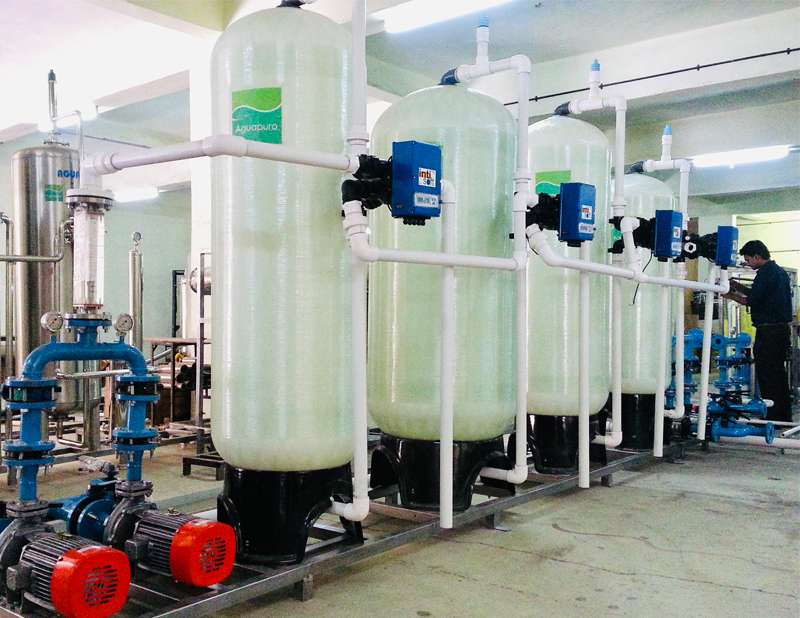
An RO system may include several supporting components, such as:
- Raw water tank
- Feed pump
- Pre-filtration
- Pressure vessels
- RO membranes
- High-pressure pump
- Flow meters
- Pressure gauges
- Control panel
- Treated-water storage
The exact configuration depends on the raw water quality and the intended application.
Why Is Choosing the Right RO System Important?
Every water source is different. A system designed for one type of water may not be suitable for another without appropriate modifications.
Choosing the right RO purifier can help businesses achieve:
- Consistent treated-water quality
- Suitable production capacity
- Better membrane performance
- Easier operation
- More manageable maintenance
- Efficient water treatment
- Better long-term operating value
A properly designed system should match both the water characteristics and the user’s treatment requirements.
1. Start With Raw Water Testing
The first step should be understanding the quality of the water that needs to be treated.
Before selecting an RO system, a water analysis can provide useful information about the treatment requirements.
Important parameters may include:
- TDS
- pH
- Hardness
- Turbidity
- Iron
- Alkalinity
- Chlorine
- Total suspended solids
- Microbiological characteristics
The results can help determine whether pretreatment is required and what type of RO configuration may be appropriate.
Skipping water testing can lead to selecting a system that does not properly match the actual water conditions.
2. Determine the Required Capacity
RO systems are available in different capacities.
Businesses should first determine how much treated water they need per hour or per day.
Consider:
- Required litres per hour
- Daily water demand
- Operating hours
- Number of shifts
- Storage capacity
- Future expansion
For example, a facility with a higher daily water requirement will need a different system from a small commercial application.
Selecting the right capacity helps prevent production limitations and unnecessary investment.
3. Understand the Role of Pretreatment
Pretreatment is an important part of many RO systems.
Depending on the raw water quality, pretreatment may include:
- Sand filtration
- Activated carbon filtration
- Water softening
- Micron filtration
- Iron removal
- Cartridge filtration
Pretreatment helps reduce the load on the RO membrane and can support more reliable system operation.
The appropriate pretreatment stages should be selected based on actual water analysis.
4. Pay Attention to RO Membrane Selection
The RO membrane is one of the most important components of the system.
Membrane selection can depend on:
- Feed-water quality
- TDS level
- Required water quality
- Flow rate
- Operating pressure
- Temperature
- Application
Using an appropriate membrane and operating it within suitable conditions can help maintain system performance.
The manufacturer or supplier should explain why a particular membrane configuration is recommended for your water source.
5. Consider Water Recovery
RO systems produce both treated water and a concentrated reject stream.
Water recovery refers to the proportion of feed water converted into treated water.
The achievable recovery depends on factors such as:
- Feed-water quality
- Membrane configuration
- Operating conditions
- Pretreatment
- System design
When selecting an RO purifier, ask the supplier about expected recovery and how the reject water can be safely managed or reused where suitable.
6. Check the Quality of Major Components
The overall performance of an RO system depends on more than the membrane.
Important components can include:
- Pumps
- Membranes
- Pressure vessels
- Valves
- Flow meters
- Pressure gauges
- Electrical panels
- Piping
- Control systems
Ask the supplier about the specifications and quality of the major components before finalizing the system.
7. Choose the Right Level of Automation
Automation can make RO plant operation easier.
Depending on the application, an RO system may include features such as:
- Automatic start and stop
- Level-based pump control
- Automatic flushing
- Pressure monitoring
- Flow monitoring
- Conductivity monitoring
- Alarm functions
- Automatic control valves
The required automation level depends on the plant size, application, operating conditions, and available manpower.
8. Consider the Intended Application
The right RO purifier depends heavily on how the treated water will be used.
RO systems can be used for applications such as:
- Industrial process water
- Boiler feedwater pretreatment
- Cooling systems
- Food and beverage production
- Pharmaceutical applications
- Commercial water treatment
- Packaged drinking water production
- General industrial water treatment
Each application can have different water-quality requirements, so the system should be designed accordingly.
9. Think About Energy Consumption
RO systems require pressure to push water through the membrane.
Energy consumption can therefore depend on factors such as:
- Feed-water pressure
- Pump efficiency
- TDS level
- System capacity
- Recovery
- Operating conditions
When comparing different systems, businesses should consider expected energy consumption along with the initial equipment cost.
10. Check Maintenance Requirements
Regular maintenance is important for reliable RO operation.
Common maintenance activities may include:
- Cleaning filters
- Replacing cartridge filters
- Checking pumps
- Inspecting valves
- Monitoring pressure
- Checking water quality
- Cleaning RO membranes when required
- Inspecting electrical components
The frequency of maintenance depends on water quality, operating hours, pretreatment, and system design.
A supplier should provide clear maintenance guidance before installation.
11. Evaluate After-Sales Support
Technical support can become important after the RO plant is installed.
Before selecting a supplier, ask whether they provide:
- Installation support
- Commissioning
- Operator training
- Preventive maintenance
- Troubleshooting
- Spare parts
- Technical assistance
A reliable RO Purifier Supplier in India should be able to support the customer beyond the initial equipment sale.
12. Consider Plant Layout and Available Space
The physical space available for the RO system should also be considered.
The complete setup may require space for:
- Raw water storage
- Pretreatment equipment
- RO skid
- Control panel
- Chemical systems, where applicable
- Treated-water storage
- Reject-water management
Discuss the available installation area with the supplier so that the system can be planned accordingly.
13. Compare Total Cost Instead of Only Purchase Price
Price is important, but it should not be the only selection factor.
The total cost of an RO system may include:
- Equipment cost
- Installation
- Electrical work
- Water storage
- Membrane replacement
- Filter replacement
- Energy consumption
- Cleaning chemicals, where applicable
- Maintenance
- Spare parts
A slightly higher initial investment may provide better long-term value if the system is properly designed and easier to maintain.
14. Look for a Supplier With Technical Knowledge
The supplier should understand the complete water treatment process rather than simply supplying individual components.
A technically capable RO Purifier Supplier in India should be able to discuss:
- Raw water testing
- Pretreatment
- RO membrane selection
- Capacity
- Recovery
- Automation
- Water-quality requirements
- Maintenance
- Installation
This can make the selection process more reliable and help avoid unsuitable system configurations.
Common Mistakes to Avoid
Businesses often make a few common mistakes when purchasing an RO system.
Buying Only on Price
The cheapest system may not always be the most suitable for your water quality or production needs.
Ignoring Pretreatment
Poor pretreatment can increase the load on RO membranes and affect their performance.
Choosing the Wrong Capacity
An undersized system may not meet water demand, while an oversized system can increase unnecessary investment and operating costs.
Not Checking Maintenance
Understanding maintenance requirements before purchasing can help with long-term planning.
Ignoring Reject-Water Management
RO reject water should be properly managed according to the site’s requirements and applicable practices.
RO Water Treatment Solutions From Spring Ion Exchange
Spring Ion Exchange provides water and wastewater treatment solutions for industrial and commercial applications.
For businesses planning an RO system, proper raw water analysis and system design are important steps. The right combination of pretreatment, RO technology, capacity, automation, and maintenance support can help create a more reliable water treatment setup.
You can learn more about water treatment solutions from Spring Ion Exchange.
Final Thoughts
Selecting the right RO purifier requires careful consideration of water quality, capacity, treatment requirements, membrane selection, pretreatment, recovery, automation, energy use, and maintenance.
Instead of choosing a system based only on price, businesses should evaluate the complete solution and select a supplier that understands their specific water treatment requirements.
With proper water testing, system design, installation, and regular maintenance, an RO purifier can become an important part of a reliable water treatment process.