
Introduction
Many men experience unexpected ejaculation during sleep and often wonder whether it is normal or a sign of a health problem. This natural process can happen at different stages of life, especially during adolescence and early adulthood. However, confusion about how often it should occur can create unnecessary worry.
Understanding the difference between occasional and frequent episodes is important because every person’s body functions differently. Nightfall in men is a natural bodily process where ejaculation happens during sleep, often without conscious control. It is usually linked to normal reproductive activity, hormonal changes, dreams, and sexual development rather than weakness or illness.
Some men may experience it only once in a while, while others may notice it more frequently. The frequency can depend on several factors, including age, stress levels, sleep patterns, lifestyle habits, and individual body responses. Knowing what is normal and when attention may be needed can help reduce fear and misinformation.
What Is Nightfall and Why Does It Happen?
Nightfall, also known as a wet dream, refers to involuntary ejaculation that occurs during sleep. It commonly happens when the body releases stored semen naturally. This can occur with or without sexual dreams.
The process is controlled by the nervous system and reproductive hormones. During certain phases of sleep, particularly when dreams are more active, the body may respond with physical reactions that lead to ejaculation.
Nightfall is not a disease, and it does not mean that a person has poor control over their body. It is simply one of the ways the reproductive system functions.
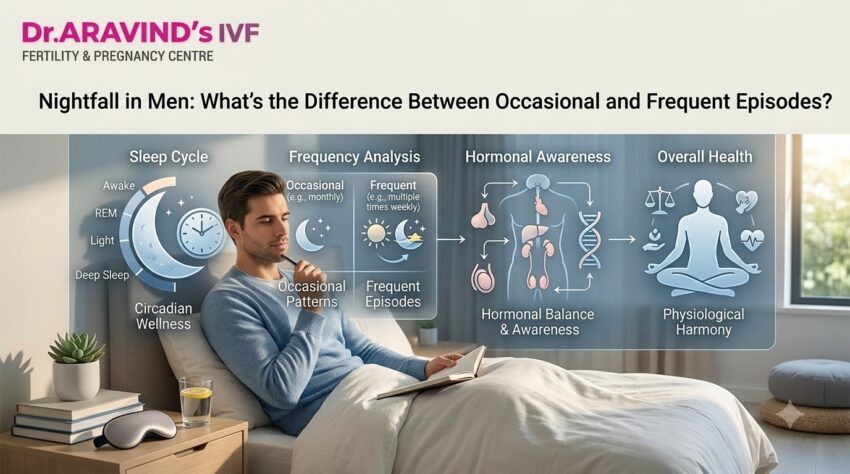
Occasional Nightfall: What Does It Mean?
Occasional episodes are generally considered a normal part of male sexual health. Some men may experience it once every few weeks, while others may experience it only a few times in a year.
Occasional nightfall usually:
- Does not affect physical strength.
- Does not reduce sperm production.
- Does not cause infertility.
- Does not indicate a serious medical condition.
The body continuously produces sperm, and occasional ejaculation during sleep does not create any long-term problems. Many men experience changes in frequency throughout their lifetime, and this is often influenced by natural biological factors.
Frequent Nightfall: When Does It Become a Concern?
Frequent episodes are different because they happen more often and may cause emotional discomfort or disturbance in daily life. There is no fixed number that defines excessive nightfall because normal frequency varies from person to person.
However, it may require attention if:
- It happens very often and causes stress.
- It affects sleep quality.
- A person feels constantly tired or worried because of it.
- There are other symptoms such as pain, discomfort, or urinary problems.
- It creates anxiety about sexual health or fertility.
In many cases, the concern is not the occurrence itself but the fear and stress associated with it. Understanding the actual reason behind frequent episodes can help manage unnecessary worries.
Factors That Can Influence Nightfall Frequency
Several physical and emotional factors may affect how often episodes occur.
Age and Hormonal Changes
Hormones play an important role in sexual development and reproductive function. Younger men may experience nightfall more frequently due to active hormonal changes, while the frequency may naturally reduce with age.
Stress and Emotional Health
Stress, anxiety, and emotional pressure can influence sleep patterns and dream activity. A busy lifestyle, relationship concerns, or constant worry may contribute to changes in sleep-related experiences.
Sleep Patterns
Poor sleep habits, irregular sleeping schedules, and lack of proper rest may affect overall body balance. Maintaining healthy sleep routines can support better physical and mental wellness.
Lifestyle Habits
Daily habits such as physical activity, diet, alcohol consumption, and smoking can influence overall health. A balanced lifestyle supports better hormonal and reproductive health.
Common Myths About Nightfall
Many misconceptions about nightfall continue to create fear among men. Let’s look at some common myths:
Myth: Nightfall Causes Weakness
Fact: Occasional ejaculation during sleep does not cause permanent weakness. Feelings of tiredness are usually related to sleep quality, stress, or anxiety rather than semen loss.
Myth: Nightfall Reduces Fertility
Fact: Normal episodes do not reduce fertility. The body continuously produces sperm, and occasional ejaculation is a natural process.
Myth: Frequent Nightfall Always Means a Disease
Fact: Frequency alone does not always indicate a medical problem. A doctor’s evaluation may be helpful only when episodes are accompanied by other symptoms or significant distress.
Factors That May Increase Nightfall Frequency
Although nightfall is a natural process, some factors may make it occur more often for certain individuals. Understanding these factors can help men avoid unnecessary fear and focus on improving overall wellness.
1. Sexual Thoughts and Mental Stimulation
Frequent exposure to sexual content, strong sexual thoughts, or emotional stimulation may influence dream patterns and increase the possibility of experiencing episodes during sleep. This does not mean it is harmful, but maintaining a balanced approach toward thoughts and activities can support better mental comfort.
2. Stress and Anxiety Levels
Mental health has a strong connection with sleep quality. High stress, worry, or emotional pressure can disturb normal sleep patterns and affect dream activity. Practicing relaxation techniques such as meditation, breathing exercises, or regular physical activity may help improve sleep and reduce stress-related concerns.
3. Irregular Sleep Habits
Sleeping very late, not getting enough rest, or frequently changing sleep schedules can affect the body’s natural rhythm. A consistent sleep routine supports overall health and may help maintain better control over sleep-related changes.
4. Lack of Physical Activity
A sedentary lifestyle can contribute to stress and poor sleep quality. Regular exercise helps improve mood, energy levels, and general well-being. Activities such as walking, yoga, swimming, or strength training can be included as part of a healthy routine.
Does Frequent Nightfall Affect Fertility?
One of the biggest concerns among men is whether frequent episodes can affect their ability to have children. In most situations, occasional or frequent nightfall does not directly cause infertility.
The male body continuously produces sperm, and the reproductive system naturally maintains sperm production. However, fertility depends on several factors, including sperm quality, sperm movement, hormonal balance, reproductive health, and overall lifestyle.
Men who are planning a family and have concerns about reproductive health can seek guidance from a qualified specialist. Consulting a Best Fertility Hospital in Mayiladuthurai can help individuals understand their health condition through proper evaluation and expert advice.
When Should You Consult a Doctor?
Nightfall usually does not require treatment. However, medical advice may be helpful if:
- Episodes are causing significant emotional stress.
- There is pain or discomfort during ejaculation.
- There are urinary symptoms or unusual changes.
- Sexual performance concerns are affecting confidence.
- Fertility problems are suspected.
- Anxiety about the condition is affecting daily life.
A doctor can discuss symptoms, understand personal health history, and suggest appropriate guidance. Professional support can also help clear misunderstandings and provide reassurance.
Lifestyle Tips to Maintain Better Sexual and Reproductive Health
Healthy habits can support overall physical and emotional balance. Some simple lifestyle changes include:
Maintain a Balanced Diet
Eating nutritious foods supports energy levels and overall health. Include vegetables, fruits, whole grains, protein-rich foods, and enough fluids in your daily routine.
Exercise Regularly
Physical activity helps reduce stress and improves circulation. Even moderate exercise for a few days each week can contribute to better health.
Improve Sleep Quality
Create a relaxing bedtime routine by avoiding excessive screen time before sleep, maintaining a comfortable sleep environment, and following regular sleep timings.
Manage Stress Effectively
Stress management techniques such as meditation, hobbies, spending time with loved ones, and relaxation exercises can improve emotional well-being.
Avoid Misinformation
Many fears about nightfall come from incorrect beliefs. Learning from reliable medical information can help men develop a healthier understanding of their bodies.
Building Confidence Through Awareness
Feeling embarrassed or worried about changes in sexual health is common, but there is no need to feel ashamed. Open discussions and accurate knowledge can help men understand what their body is experiencing.
Every person has different biological patterns, and comparing yourself with others may create unnecessary anxiety. The focus should be on overall health, emotional comfort, and seeking professional advice when genuine concerns arise.
Conclusion
Understanding the difference between occasional and frequent episodes can help men separate normal body functions from situations that may need attention. Maintaining a healthy lifestyle, managing stress, and following good sleep habits can support overall reproductive wellness.
For most men, Nightfall in men is a normal biological occurrence and does not indicate weakness, loss of strength, or reduced fertility. However, if episodes become distressing or are linked with other symptoms, consulting a healthcare professional can provide clarity and proper support.