

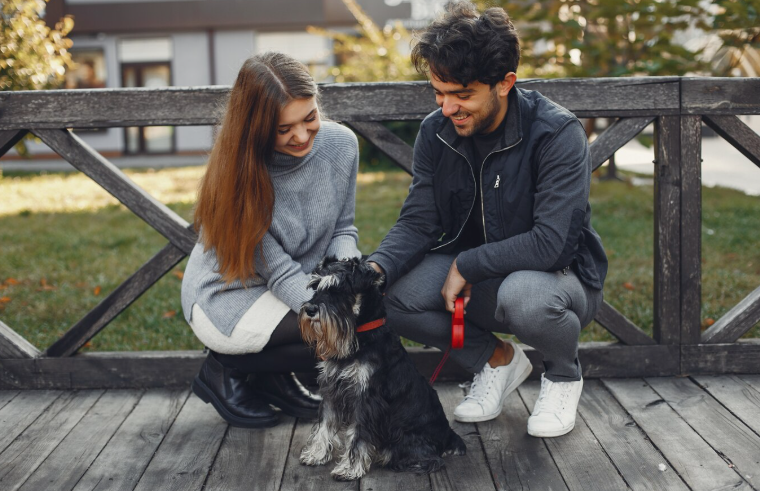
For many dogs, meeting new people can be exciting, confusing, or even overwhelming. While some pups happily greet everyone they encounter, others may hide, bark, pull away, or become nervous around unfamiliar faces. Helping a dog feel comfortable around people is not about forcing interaction. Instead, it is about creating positive experiences that build trust and confidence over time.
With patience, consistency, and the right approach, owners can help their dogs develop stronger canine connections and become more relaxed during everyday social encounters.
Start With Your Dog’s Comfort Zone
Every dog has a different personality. Before introducing your dog to new people, consider how they typically respond to unfamiliar situations. A confident dog may approach willingly, while a cautious dog might need more space and time.
Pay attention to body language. Relaxed posture, a loose tail, natural ear position, and willingness to investigate can indicate that your dog is comfortable. On the other hand, tucked tails, flattened ears, excessive yawning, lip licking, hiding, or repeatedly turning away may signal stress.
If your dog appears uncomfortable, give them more distance rather than encouraging them to approach. Respecting these signals helps your dog learn that unfamiliar people do not automatically mean an uncomfortable experience.
Let Your Dog Choose the Pace
One of the simplest ways to make introductions easier is to avoid rushing them. Instead of allowing a new person to immediately reach toward your dog, let your dog observe from a comfortable distance.
Ask the person to stand or sit calmly and avoid staring directly at the dog. Your dog can then decide whether to move closer. If they show interest, the person can allow them to approach and sniff without immediately touching them.
This approach gives dogs a sense of control. When they are allowed to investigate unfamiliar people on their own terms, they are more likely to associate new encounters with safety rather than pressure.
Use Positive Reinforcement
Treats can be a useful tool when introducing dogs to new people. When your dog notices an unfamiliar person and remains calm, offer a small, rewarding treat. Over time, your dog can begin to associate the presence of new people with positive experiences.
The reward does not always have to be food. Praise, a favourite toy, or a short play session can also reinforce calm behaviour, depending on what motivates your dog.
The goal is not to bribe a dog into interacting. Instead, positive reinforcement rewards appropriate behaviour and helps create a more positive emotional response to unfamiliar situations.
Keep First Meetings Calm and Simple
A busy gathering may not be the best environment for a dog that is still learning to feel comfortable around people. Instead, start with quiet, controlled introductions.
Invite one calm person to meet your dog in a familiar environment. Keep the first interaction brief and allow your dog to move away whenever they need space.
Once your dog becomes comfortable with individual introductions, you can gradually introduce more people or different environments. Progress should be based on your dog’s behaviour rather than a fixed timetable.
Short, successful encounters are generally more useful than long interactions that leave your dog overwhelmed.
Teach People How to Approach Your Dog
Helping your dog develop social confidence also means teaching other people how to interact appropriately.
Children, visitors, and strangers may not understand that a dog needs space. Explain that they should avoid hugging, chasing, cornering, or suddenly reaching over the dog’s head. Instead, they can stand sideways, remain relaxed, and allow the dog to approach voluntarily.
For children, supervision is particularly important. Even friendly dogs can become uncomfortable when they are surrounded, startled, or handled roughly.
Clear boundaries help create safer and more positive experiences for everyone involved.
Practise in Different Situations
Once your dog becomes comfortable with familiar introductions, gradually expose them to different types of people and environments. This could include meeting someone wearing a hat, encountering a person using a walking stick, or calmly observing people from a distance during a walk.
Variety can help dogs become more adaptable. However, exposure should remain gradual. If your dog becomes visibly stressed, increase the distance and allow them to settle before continuing.
The objective is not to make your dog interact with every person they see. A well-socialised dog can simply remain calm and comfortable in the presence of unfamiliar people.
Avoid Punishing Fearful Behaviour
If a dog barks, backs away, growls, or tries to hide, punishment can make the situation worse. These behaviours may be ways of communicating discomfort or attempting to create distance.
Instead of scolding your dog, calmly increase the distance from the trigger. Once your dog is relaxed, reward calm behaviour.
If your dog’s fear or reactivity is severe, persistent, or difficult to manage safely, consider working with a qualified positive-reinforcement trainer or veterinary behaviour professional. Professional guidance can help identify appropriate strategies for your individual dog.
Build Confidence Through Everyday Experiences
Social confidence develops through many small experiences, not just formal introductions. Calm walks, rewarding training sessions, visits to dog-friendly environments, and positive interactions with trusted people can all contribute to a dog’s overall confidence.
Consistency is important. When owners respond calmly and predictably, dogs have a reliable source of reassurance. Over time, these repeated positive experiences can make unfamiliar situations feel less intimidating.
Creating More Confident Canine Connections
Teaching a dog to feel comfortable around new faces requires patience rather than pressure. By respecting body language, allowing dogs to control the pace of introductions, rewarding calm behaviour, and providing gradual exposure, owners can help their pets develop healthier social habits.
Every dog progresses differently. Some may quickly become enthusiastic greeters, while others may always prefer observing strangers from a comfortable distance. Both can be perfectly acceptable. The goal is not to create a dog that loves everyone, but to help them feel safe, understood, and confident when navigating the people they encounter.