
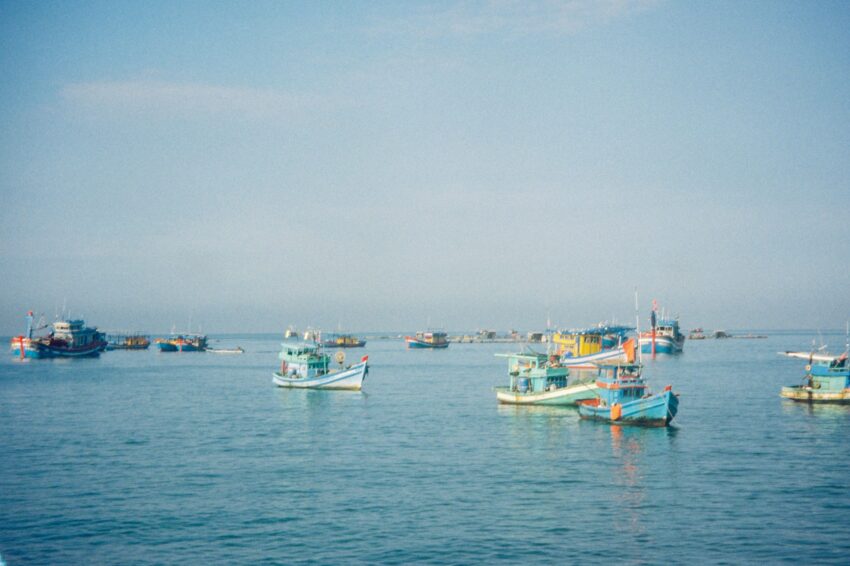
Off the southern coast of Vietnam lies an island where dense pepper plantations meet calm, turquoise waters. Until recently, Phu Quoc was a sleepy fishing outpost known mainly for producing high-grade fish sauce. Today, it has transformed into one of Southeast Asia’s most accessible island destinations. Booking a 7 days Phu quoc tour package gives you just the right amount of time to explore the white sands of the south, island-hop through small archipelagos, and sink into the slower pace of northern coastal villages without feeling rushed.
Whether you plan to relax at a beach resort or pack your schedule with watersports, structuring a full week requires a clear understanding of the island’s unique layout.
How to Divide Your Time Across the Island
Phu Quoc is larger than most visitors expect. Driving from the northern tip near Grand World to the southern tip at An Thoi takes over an hour. Split your week geographically to cut down on long daily drives along the main highway.
A balanced week usually looks like this:
-
Days 1–3 (The Central & West Coast): Base yourself in Duong Dong or along Long Beach. This keeps you close to local night markets, sunset spots, and the airport.
-
Days 4–5 (The South & An Thoi Archipelago): Head south for cable car rides, island-hopping speedboats, and snorkeling spots around Hon Thom.
-
Days 6–7 (The North & National Park): Spend your final days exploring quieter beaches like Ganh Dau, visiting pepper farms, or kayaked along the Cua Can River.
If you want a seamless mix of pre-arranged transport and free days, choosing a flexible Phu Quoc island itinerary lets you skip the stress of organizing daily transfers yourself.
Taking the Hon Thom Cable Car
The three-wire cable car connecting Phu Quoc to Hon Thom Island holds a world record for length, but the real draw is the view. Floating high above blue waters, colorful fishing boats, and coral reefs provides an unforgettable entry point to the southern islets.
Try to catch the cable car around 8:30 AM to beat the tour buses. Tickets usually include access to Sun World Nature Park on the other side, where you will find water park slides and wooden roller coasters. Keep in mind that the cable car shuts down for a brief maintenance break around midday, so check current operating hours before setting off.
Food Culture Beyond the Tourist Markets
Eating well on the island is remarkably easy, but you need to know where to look. The Duong Dong Night Market is famous for grilled squid, garlic butter oysters, and coconut ice cream. It is lively and fun, though prices are set higher for tourists.
For an authentic meal, head slightly away from the main strip:
-
Bun Quay (Stirred Noodles): Try this local staple at Kien Xayd. You assemble your own dipping sauce using fresh lime, kumquat, chili, and sugar while fresh seafood paste cooks in boiling water right before your eyes.
-
Ham Ninh Fishing Village: Located on the east coast, this area is famous for fresh, sweet rock crabs served simply with salt, pepper, and lime juice.
-
Sim Wine: Made from local rose myrtle berries, this sweet, fermented fruit wine pairs brilliantly with fresh seafood.
Getting Around: Scooters vs. Private Drivers
Transportation options depend heavily on your confidence level on two wheels. Renting a scooter costs very little per day and gives you complete freedom to track down deserted beaches on dirt tracks. Roads down the west coast and up to the north are well-paved, but watch out for loose gravel on rural side routes.
If you are traveling with children or prefer air-conditioned comfort, hire a private car for full-day excursions. Ride-hailing services work well inside central Duong Dong and near major resorts, but finding a driver in remote northern spots late at night can be tricky.
Best Seasons for Clear Waters and Sunshine
Phu Quoc experiences two distinct weather seasons, which directly impacts sea conditions and visibility for snorkeling:
-
Dry Season (November to April): Expect calm, clear turquoise water along the western beaches like Long Beach and Sao Beach. Skies stay bright, making it the prime time for water activities and sunset watching.
-
Monsoon Season (May to October): The west coast experiences higher waves and occasional rain showers. However, the east coast around Bai Sao and Bai Khem stays surprisingly calm and clear during these months.
If you travel during the shoulder months of April or October, you will catch lower hotel rates along with manageable weather conditions.
Avoiding Common Island Planning Mistakes
It is easy to fall into a few standard tourist traps when visiting for the first time. Keep these practical tips in mind:
-
Skipping starfish ethics at Starfish Beach (Rach Vem): Lifting starfish out of the water for photos kills them within minutes. Enjoy watching them beneath the shallow water without touching.
-
Not carrying cash: While major resorts accept credit cards, local seafood stalls, street vendors, and taxi drivers rely strictly on Vietnamese Dong.
-
Underestimating sunburn: Being close to the equator means the sun packs a punch even on overcast days. Bring reef-safe sunscreen to protect both your skin and local coral reefs.
Setting aside dedicated time for quiet coastal walks alongside planned sightseeing ensures your trip stays refreshing from start to finish.