
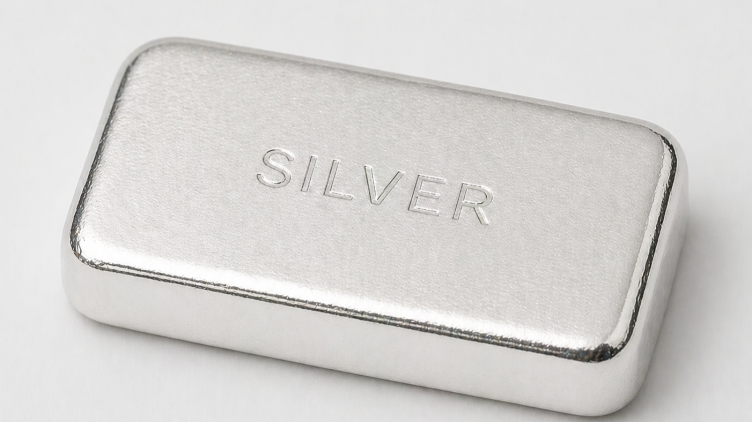
The Silver Price Trend remains closely linked to both industrial consumption and investment activity. Unlike gold, silver has a dual role as a precious metal and an industrial raw material, making its market particularly sensitive to changes in manufacturing, technology, monetary policy, and investor sentiment.
Silver is widely used in solar photovoltaic cells, electronics, electrical equipment, automotive applications, brazing alloys, jewelry, silverware, and investment products. In 2026, the market is expected to remain in deficit for a sixth consecutive year, with the Silver Institute forecasting a 67-million-ounce shortfall between total supply and demand.
Investment Demand Supports Silver Prices
Investment demand is an important driver of Silver Prices. Silver is often purchased through coins, bars, exchange-traded products, and other investment instruments during periods of economic or geopolitical uncertainty.
The Silver Institute expects physical investment to increase by 20% in 2026 to around 227 million ounces. Strong investor interest can provide significant support to the market, particularly when physical inventories remain tight.
Solar Industry Remains a Key Industrial Driver
Solar photovoltaic manufacturing is one of the most important industrial applications for silver. Silver paste is used in solar cells because of its excellent electrical conductivity.
However, elevated silver prices are encouraging manufacturers to reduce the amount of silver used per cell through thrifting and substitution. The Silver Institute expects photovoltaic silver demand to decline in 2026 despite continued growth in solar installations.
This creates an important dynamic for the Silver Price Trend: solar capacity can continue expanding while silver consumption per unit of capacity falls.
Electronics and Electrical Applications Support Demand
Silver’s excellent electrical and thermal conductivity makes it valuable in electronics and electrical applications.
It is used in electrical contacts, switches, conductive pastes, circuit components, and other specialized products. Growth in electronics manufacturing, telecommunications, data centers, and advanced electrical infrastructure can therefore support silver consumption.
The expansion of data-center and AI-related infrastructure is expected to provide additional industrial demand for silver and partially offset weakness in some traditional applications.
Automotive Applications Create Additional Demand
Silver is used in various automotive electrical and electronic components, including contacts, switches, control systems, and conductive applications.
The increasing use of electronics in modern vehicles and the expansion of electric and hybrid vehicles can support silver consumption.
As vehicle technology becomes more electronically intensive, automotive demand can become an increasingly relevant factor in the Silver Price Trend.
Mine Supply Influences Market Balance
Silver mine production is an important component of global supply, but the market has a distinctive supply structure because much of the world’s silver is produced as a by-product of lead, zinc, copper, and gold mining.
This limits how quickly producers can increase silver output in response to higher prices.
For 2026, the Silver Institute expects mine production to increase by approximately 1% to around 820 million ounces. Despite this increase, the market is still projected to remain in deficit.
Recycling Provides Secondary Supply
Recycling is another important source of silver supply. Scrap from jewelry, silverware, industrial materials, electronics, and other products can be processed to recover silver.
Higher prices generally improve the economics of recycling and encourage greater recovery.
The Silver Institute forecasts silver recycling to increase by 7% in 2026, exceeding 200 million ounces for the first time since 2012.
Supply Deficit Supports the Market
A persistent supply-demand deficit remains one of the most important factors influencing the Silver Price Trend.
The Silver Institute expects 2026 to mark the sixth consecutive year in which total silver demand exceeds newly available supply. The market is expected to rely on above-ground inventories to bridge the gap.
A prolonged deficit can increase sensitivity to supply disruptions and changes in investor demand.
Monetary Policy and Interest Rates Influence Silver
Silver is also influenced by monetary policy because it competes with interest-bearing financial assets as an investment.
Lower interest rates and declining real yields can make non-yielding precious metals more attractive. A weaker U.S. dollar can also support silver because the metal is primarily traded in dollars.
Conversely, higher interest rates and a stronger dollar can create downward pressure.
Geopolitical Conditions Affect Investment Demand
Geopolitical uncertainty can increase demand for precious metals as investors seek assets perceived as stores of value.
Trade disputes, military conflicts, economic uncertainty, and concerns about currency stability can therefore contribute to silver price volatility.
The precious-metals rally in 2026 has been supported by geopolitical and macroeconomic uncertainty alongside physical market tightness.
High Prices Encourage Thrifting and Substitution
One of the biggest challenges for silver demand is that sustained high prices can encourage manufacturers to reduce consumption.
This is particularly visible in the solar industry, where manufacturers are actively reducing silver loadings and exploring alternative metallization technologies.
The Silver Institute forecasts industrial fabrication demand to decline by about 2% in 2026 to approximately 650 million ounces, partly because of lower photovoltaic consumption.
Jewelry and Silverware Demand Remain Price Sensitive
Silver jewelry and silverware represent important consumer applications, but demand can weaken when prices rise sharply.
The Silver Institute expects global jewelry demand to decline by more than 9% in 2026, while silverware demand is forecast to fall by approximately 17%.
This demonstrates how high silver prices can create demand destruction in price-sensitive end-use segments.
Inventory Levels Influence Short-Term Prices
Available inventories can significantly influence short-term Silver Prices
When physical stocks decline, buyers may compete more aggressively for available metal. This can create tightness in regional markets and increase premiums.
Conversely, the release of above-ground inventories or an improvement in physical availability can ease market pressure.
Global Trade and Logistics Affect Availability
Silver is traded internationally, making transportation costs, export policies, import regulations, exchange rates, and regional supply conditions important market factors.
Changes in trade policies can affect the movement of silver between major consuming and producing regions.
For industrial buyers, these factors can influence both the delivered cost and availability of material.
Procurement Planning Helps Manage Price Volatility
Manufacturers that use silver in electronics, solar, automotive, electrical, and industrial applications need to monitor both physical market fundamentals and financial-market developments.
Supplier diversification, inventory planning, long-term contracts, recycling programs, and regular market monitoring can help reduce procurement risks.
Tracking the Silver Price Trend can help procurement teams improve budgeting, evaluate purchasing opportunities, and manage exposure to commodity-price volatility.
Future Outlook for Silver Prices
The future Silver Price Trend will depend on the interaction between industrial demand, investment flows, mine production, recycling, inventories, monetary policy, and global economic conditions.
The long-term outlook remains supported by applications in renewable energy, electronics, automotive technologies, and advanced infrastructure. However, high prices are also encouraging manufacturers to reduce silver consumption, particularly in photovoltaic applications.
Analyst expectations remain widely dispersed, highlighting the potential for continued volatility. The LBMA’s 2026 survey shows forecasts ranging broadly across analysts, reflecting uncertainty around industrial demand, investment flows, supply constraints, and macroeconomic conditions.
Conclusion
The Silver Price Trend is shaped by a unique combination of precious-metal investment demand and industrial consumption. Solar energy, electronics, automotive technologies, and advanced infrastructure provide important long-term demand drivers, while mine production and recycling determine the availability of new material.
For manufacturers, suppliers, traders, and procurement professionals, monitoring Silver Prices can provide valuable insight for sourcing, budgeting, inventory planning, and supply-chain management. With the market expected to remain structurally tight while high prices encourage substitution and thrifting, silver is likely to remain one of the more closely watched commodities in the global metals market.
👉👉👉Please submit your query to get Silver price trend, forecast and market price analysis: https://www.price-watch.ai/book-a-demo/
About Price Watch™ AI
Price-Watch AI is an India-based, independent raw material price reporting agency that provides real-time price forecasts and data-driven insights into global raw material markets. Price-Watch AI specializes in tracking raw material prices, analyzing market trends, and delivering timely updates on plant shutdowns, supply disruptions, capacity expansions, and demand-supply dynamics. The Price-Watch AI platform empowers manufacturers, traders, and procurement professionals to make faster, smarter decisions. Leveraging AI-powered forecasting and over a decade of historical data, Price-Watch AI transforms market volatility into actionable opportunity.
Futura Tech Park,
C Block, 8th floor 334,
Old Mahabalipuram Road,
Sholinganallur, Chennai,
Tamil Nadu, Pincode – 600119.
LinkedIn: https://www.linkedin.com/company/price-watch-ai/
Facebook: https://www.facebook.com/people/Price-Watch/61568490385598/
Twitter: https://x.com/pricewatchai
Website: https://www.price-watch.ai/