
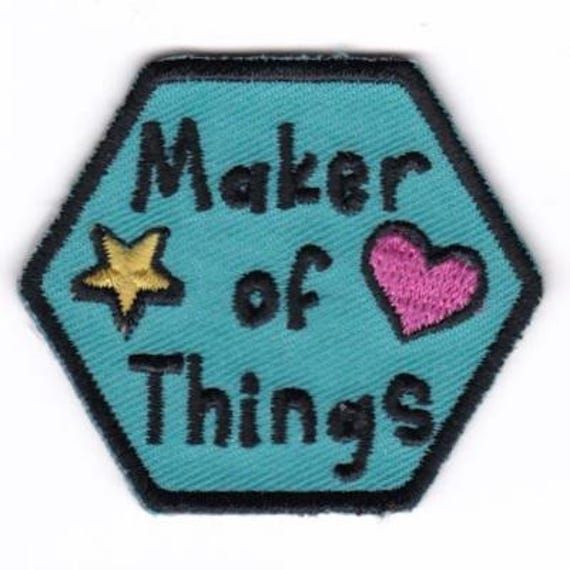
Custom embroidered patches show up everywhere once you start noticing them — on varsity jackets, motorcycle vests, corporate uniforms, backpacks, and even collector’s pins. They’re one of the simplest ways to add identity to fabric. But before placing an order, almost every buyer runs into the same question: how much should this actually cost?
There’s no single flat rate, because patch pricing is built from several moving parts. Once you understand those parts, though, budgeting becomes a lot less confusing.
Typical Price Ranges
For most standard orders, expect somewhere between $1.50 and $5.00 per patch, with premium materials or rush service pushing that higher.
- $1.50–$2.00 — Basic designs, limited colors, large bulk quantities.
- $2.00–$3.50 — The most common range for clubs, schools, and small businesses. Includes merrowed edges and a decent color selection.
- $3.50–$5.00 — More detailed artwork, multiple thread colors, or finer stitching.
- $5.00–$8.00 — Premium materials like leather, PVC, or mohair.
- $8.00–$10.00+ — Small runs, rush turnaround, or add-ons like glow-in-the-dark thread or Velcro backing.
Rush production alone can add 20–50% to the base price, so a $4 patch needed in a few days might jump to $6.
What Drives the Price Up or Down
Size. Larger patches use more fabric, more thread, and more machine time — all of which raise the cost.
Design complexity. More colors and finer detail mean more stitching passes and longer production time.
Order quantity. This is the single biggest cost lever. Setup costs get spread across the whole batch, so larger orders bring the per-unit price down significantly.
Backing type. Sew-on is the cheapest option; iron-on, Velcro, and adhesive backings typically cost a bit more.
Material. Standard twill is budget-friendly. Leather, PVC, chenille, and metallic thread all raise the price.
Shape. Circles and rectangles are cheaper to produce than custom die-cut outlines.
Turnaround time. Standard lead times keep costs predictable; rush orders don’t.
Choosing the Right Type of Patch
Different embroidery methods suit different budgets and use cases:
- Standard embroidered patches for everyday uniforms and caps
- Woven patches for fine text or detailed small graphics
- Chenille patches for a soft, textured varsity-jacket look
- PVC/rubber patches for outdoor or tactical durability
- Sublimated (printed) patches for full-color, photo-style designs
- Leather patches for a premium finish on bags and jackets
Matching the technique to your actual need — rather than defaulting to the priciest option — is one of the easiest ways to control cost from the start.
Smart Ways to Save
- Simplify the design — fewer colors, cleaner lines.
- Stick to standard shapes instead of custom die-cuts.
- Order in bulk to lower the per-unit price.
- Choose sew-on backing unless you specifically need iron-on or Velcro.
- Use cotton-blend twill instead of premium fabric when possible.
- Compare quotes from a few different manufacturers.
- Approve digital proofs instead of paying for physical samples.
- Plan ahead so you avoid rush fees altogether.
If you’d rather skip back-and-forth emails and see pricing change in real time as you tweak size, colors, and backing, many suppliers now offer a Custom patch designer online tool that lets you build your patch and get an instant quote before committing to an order.
Picking a Manufacturer Without Overpaying
The cheapest quote isn’t always the best deal — a patch that unravels after one wash costs you more in the long run. Before you commit:
- Ask for samples to check stitch quality and fabric.
- Confirm the minimum order quantity.
- Clarify turnaround time and rush fees upfront.
- Ask specifically about bulk discount tiers.
- Check reviews for consistency and communication, not just price.
Common Myths Worth Ignoring
- “All patches are expensive.” Pricing varies hugely by size, material, and quantity.
- “Only massive orders get discounts.” Many suppliers offer tiered bulk pricing at surprisingly low thresholds.
- “More colors always mean better quality.” Simpler designs can look just as sharp.
- “Local is always cheaper.” Depending on shipping and volume, that’s not always true.
Final Thoughts
Custom embroidered patches are genuinely affordable once you understand what actually drives the price — size, material, backing, complexity, and quantity. Get clear on those five factors, request a couple of quotes, and you’ll be able to plan your budget with confidence instead of guesswork.
Whether you’re ordering a handful of patches for a personal project or outfitting an entire team, working with an experienced patches maker makes the whole process smoother — from first design to final stitch.