
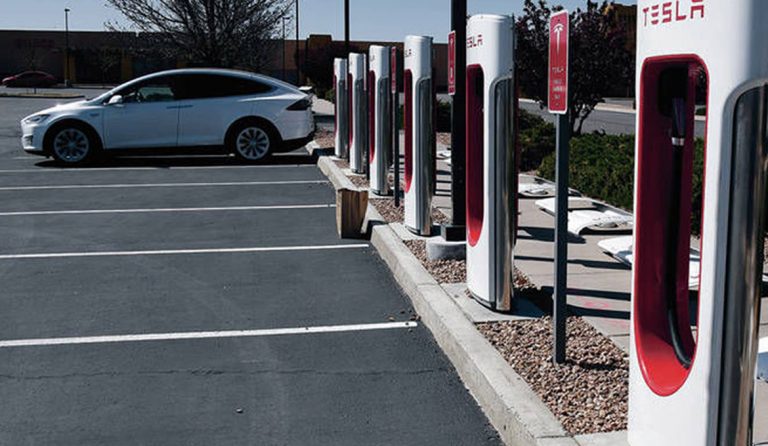
California has more electric vehicles on the road than any other state, yet finding a working charger can still be a headache. Broken units, long lines, and stations built in the wrong spots leave drivers frustrated and project owners wondering if new builds will ever pay off. The fix is not just adding more plugs. It comes down to choosing the right site, the right power source, and the right ownership model. This post covers what separates a smart investment from an expensive guess, and why California EV stations paired with nonprofit solar systems are drawing real interest from communities and funders.
Start With Real Demand
A charger earns its keep only when people use it. Before anything gets built, study who is actually nearby and how they drive.
Here are the groups that tend to keep a station busy:
- Apartment and condo residents who cannot charge at home
- Rideshare and delivery drivers who need fast top-ups between trips
- Travelers who want a dependable stop along a major route
- Fleets that return to the same lot every night
Each group charges differently, so knowing your main audience shapes everything from plug type to opening hours.
Location Decides Almost Everything
The best hardware in the wrong place will sit idle. Good sites give drivers something useful to do while they wait.
Look for these traits:
- Easy entry and exit from a main road
- Food, restrooms, or shopping within walking distance
- Good lighting and a safe feel after dark
- Enough space for growth if demand climbs
A grocery store lot often beats an empty corner because people already have errands to run. Add a second look at grid access, since a site far from a power line can turn a fair budget into a painful one.
Know the Full Cost Before You Commit
Equipment is only one piece of the budget. Many first-time builders get surprised by the rest.
Plan for hardware, installation, permits, and any utility upgrade the site needs. Then add the running costs: software fees, maintenance, network connection, insurance, and electricity itself. Fast chargers cost more to buy and install, but they also bring in more per session. Slower chargers cost less and suit places where cars stay parked for hours, like workplaces and housing complexes.
A simple rule helps here. Build the budget around the cost of keeping the station working for ten years, not just the day it opens.
Incentives Can Change the Math
Funding is one of the biggest reasons a project moves from maybe to yes. State programs, utility rebates, and federal support have helped cover a large share of costs for many projects. Programs change often, and some carry strict eligibility rules, so confirm what is open before you finalize numbers. A grant writer or a local energy office can save you weeks here.
Why Solar Pairing Makes Sense
Electricity is the ongoing expense that never goes away. Producing some of your own power gives you more control over it.
This is where nonprofit solar systems come in. Churches, schools, community centers, and housing groups often own rooftops or parking areas that suit solar panels well. When a solar array powers chargers on that same property, the organization can lower its energy bills and keep more of its budget for its mission. Some nonprofits also qualify for funding paths that private businesses cannot reach, which can make the numbers look far better on paper and in practice.
Adding battery storage can help too. It lets a site charge cars in the evening using power collected during the day, which eases pressure on the grid when rates run highest.
Value Beyond Revenue
Not every return shows up on a spreadsheet. A well-placed station can bring steady foot traffic to nearby shops, give renters access to electric driving, and cut local tailpipe pollution in neighborhoods that have dealt with dirty air for years.
For nonprofits and public groups, that impact often carries as much weight as income. It also tends to strengthen grant applications, since funders like to see clear community benefit next to solid financial planning.
Questions to Ask Before You Build
A short checklist can keep a project honest:
- Who will use this station, and how do we know?
- Can the site handle the power load without a major upgrade?
- Which incentives fit our project, and what are their deadlines?
- Who handles repairs, and how fast will they respond?
- Can we add solar now or leave room to add it later?
If you can answer most of these with confidence, you are likely on solid ground. If several answers feel shaky, slow down and gather more information before spending a dollar.
Common Missteps to Avoid
Some projects struggle for reasons that were easy to spot early. Overbuilding is one. Installing twelve chargers where demand supports four leaves you paying for equipment nobody needs. Ignoring maintenance is another. A charger that shows an error screen loses trust quickly, and drivers remember it. Finally, pricing matters. Set rates that cover your costs while staying fair to the people you want to serve.
Final Thoughts
A California EV station project is worth the investment when demand is clear, the location works for real drivers, and the full cost is understood from day one. Incentives make the budget easier to carry, and a strong plan for upkeep keeps the station useful long after opening day. Pairing California EV stations with nonprofit solar systems adds another layer of value by lowering energy costs and turning community property into something that serves the neighborhood for years. Start with honest research, build in stages, and let real usage guide your next move.
FAQs:
How much does it cost to install an EV station in California?
Costs vary based on charger type, electrical upgrades, installation requirements, permits, and site conditions. A complete project budget should include both upfront and ongoing expenses.
Can solar power be used for EV charging stations?
Yes. Solar panels can generate electricity for EV charging, potentially helping reduce energy costs and giving property owners greater control over their electricity use.
What are nonprofit solar systems?
Nonprofit solar systems are solar energy installations designed for organizations such as schools, churches, community centers, and other nonprofit facilities to help manage long-term energy expenses.
Can nonprofits combine solar systems with EV charging?
Yes. A nonprofit can integrate solar generation with EV charging on the same property, creating an energy solution that supports both transportation and facility needs.
Are incentives available for California EV station projects?
Various state, utility, and federal programs may provide incentives or funding support, but eligibility, funding levels, and program requirements can change. Organizations should verify current programs before budgeting.