
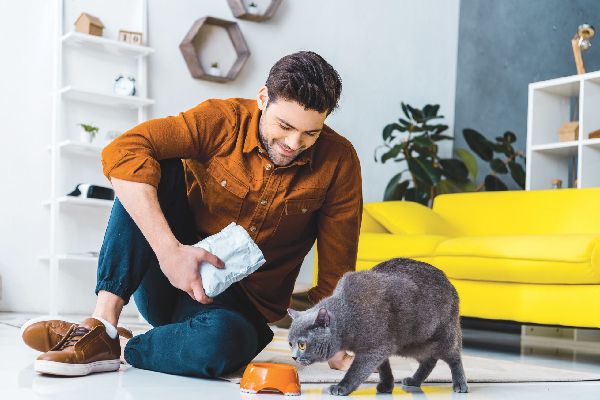
Introduction: Understanding Your Aging Feline
Watching your cat grow older is a deeply rewarding experience. That playful kitten who once bounced off the living room walls has likely transformed into a dignified, affectionate companion who loves nothing more than curling up in a sunny spot on the rug. However, as our feline friends enter their golden years—typically around age seven and officially considered senior by age ten—their internal biology begins to change dramatically. Even if your cat still looks like the same youthful furball on the outside, their metabolism, organ function, and nutritional requirements are shifting beneath the surface. Navigating this new chapter requires pet parents to pay close attention to what goes into their cat’s food bowl every day.
When your feline roommate starts slowing down, figuring out exactly what to feed a senior cat becomes one of your most important responsibilities as a pet parent. The pet food aisle can be overwhelming, especially when you are trying to balance high quality with a household budget. You want to provide meals that support ageing joints, maintain healthy muscle mass, and protect kidney function without spending a fortune on overhyped boutique brands. With the right veterinary-backed knowledge and a practical approach to shopping, you can give your ageing companion the nutrition they need to stay vibrant, comfortable, and healthy for years to come.
The Nutritional Shift: How Older Cats Process Food Differently
To understand why your cat needs a dietary adjustment, it helps to look at how feline digestion evolves over time. Unlike dogs and humans, whose metabolism tends to slow down steadily with age, cats experience a unique physiological timeline. In their early senior years, around ages seven to eleven, cats often experience a slower metabolic rate and may be prone to gaining excess weight. During this stage, preventing obesity is crucial because extra pounds put unnecessary strain on ageing joints and increase the risk of feline diabetes. However, once a cat reaches the geriatric stage around age twelve, their digestive efficiency often takes a sharp turn in the opposite direction.
Older cats frequently experience a decline in their ability to digest and absorb fat and protein from their food. This phenomenon can lead to sarcopenia, which is the natural loss of muscle mass associated with ageing. You might notice your cat looking a bit thinner around the spine or hindquarters, even if their appetite seems normal. Because their bodies are less efficient at extracting nutrients, an ageing cat’s diet must be highly digestible and nutrient-dense to compensate for this biological shift. Feeding them the same maintenance formula they ate as a three-year-old simply will not cut it anymore, as their gastrointestinal tract now requires superior ingredients to extract the same amount of daily energy.
Core Pillars of Senior Cat Nutrition
When evaluating cat food for senior cats, protein is the absolute essential element to scrutinise. For decades, a common myth suggested that older animals should eat low-protein diets to protect their internal organs. Modern veterinary science has completely debunked this idea for healthy cats. Unless your veterinarian has diagnosed your cat with advanced chronic kidney disease, an older cat actually requires significantly more high-quality, animal-based protein than a younger adult cat. This dietary protein provides the essential amino acids needed to combat muscle wasting, support a strong immune system, and keep their physical strength intact as the years go by.
Beyond animal protein, healthy fats play a pivotal role in maintaining your cat’s health and vitality. Fats are an excellent source of concentrated energy, which is particularly beneficial for super-senior cats who are struggling to maintain their weight. Look for foods enriched with omega-3 fatty acids, specifically EPA and DHA sourced from fish oil. These healthy fats act as natural anti-inflammatories, offering significant relief for cats suffering from stiff joints and arthritis. Additionally, omega-3s support brain health, helping to fend off feline cognitive dysfunction, a condition similar to dementia in humans that can cause nighttime vocalization and confusion in elderly cats.
Moisture is another non-negotiable pillar of nutritional care for aging felines. Cats are notorious for having a low thirst drive, a biological leftover from their desert-dwelling ancestors who obtained most of their water directly from prey. In older cats, chronic dehydration is a silent hazard that stresses the kidneys and leads to painful constipation. Ensuring that your cat consumes adequate water through their diet is one of the most effective ways to flush toxins from their bloodstream and keep their urinary tract functioning smoothly. Finally, appropriate fiber levels and antioxidant-rich ingredients like vitamins E and C help regulate bowel movements and protect aging cells from environmental damage.
Wet Food vs. Dry Kibble: Which is Better for Ageing Felines?
The debate between canned food and dry kibble takes on new urgency when you are caring for an older pet. While dry kibble is undeniably convenient and often more budget-friendly per serving, canned wet food provides massive health advantages for senior felines. The primary benefit of wet food is its high moisture content, which typically hovers around seventy-five to eighty percent, compared to the roughly ten percent moisture found in standard dry kibbles. Feeding your senior cat a diet composed largely of wet food acts as an automatic hydration system, significantly reducing the daily workload on their aging kidneys and keeping their digestive system moving comfortably.
Dental health is another major factor to consider when choosing the texture of your cat’s meals. By the time a cat reaches their senior years, there is a high statistical likelihood that they are dealing with some form of dental disease, such as periodontal inflammation or painful tooth resorption. Hard kibble can become difficult and uncomfortable to chew, leading some cats to swallow pieces whole or avoid eating entirely. Soft canned pâté, minced foods, or hearty stews are much easier on tender gums and teeth. If your budget requires you to rely on dry kibble for a portion of your cat’s diet, consider soaking the kibble in warm water or low-sodium chicken broth for ten minutes before feeding to soften the texture and boost moisture intake.
Tailoring Diet to Common Senior Feline Health Issues
As our cats age, they often develop specific health conditions that require targeted dietary management. Navigating these medical realities is essential when deciding what to feed a senior cat to ensure their daily meals support their treatment plan rather than work against it. For example, chronic kidney disease is one of the most prevalent medical diagnoses in older felines. When a cat’s kidneys begin to fail, their bodies struggle to filter out metabolic waste products, particularly phosphorus. For cats diagnosed with kidney issues, transitioning to a therapeutic diet that is restricted in phosphorus and contains moderate amounts of ultra-high-quality protein can dramatically extend their lifespan and improve their daily comfort.
Arthritis and decreased mobility are also widespread among older cats, even if they excel at hiding their discomfort. If your cat hesitates before jumping onto the couch or has stopped climbing their cat tree, joint pain is likely the culprit. Foods formulated specifically for mobility often feature added glucosamine and chondroitin, along with heavy doses of omega-3 fatty acids to lubricate stiff joints and reduce cartilage degradation. By reducing systemic inflammation through diet, you can help your cat regain some of their lost youthful pep without relying solely on prescription medications.
Another common ailment in older felines is hyperthyroidism, a condition caused by an overactive thyroid gland that accelerates the metabolism to dangerous levels. Cats with this condition often eat ravenously while losing weight at an alarming pace. While veterinary medical intervention is strictly required to manage hyperthyroidism, nutritional support is equally vital. These cats need calorically dense, highly digestible foods to help prevent severe muscle wasting while their thyroid hormone levels are being stabilized by your veterinarian. Consulting with a veterinary professional to match your cat’s menu to their specific medical profile is the best way to safeguard their health.
Smart Shopping: How to Buy Quality Cat Food Without Breaking the Bank
Caring for an aging pet comes with added expenses, from routine veterinary bloodwork to joint supplements, making price consciousness a very practical reality for most pet parents. The good news is that finding the best food for older cats does not mean you have to buy the most expensive luxury brand on the shelf. The pet food market is flooded with clever marketing tactics and trendy buzzwords like “ancestral” or “wild-caught,” which often inflate the price without adding meaningful nutritional value. To protect your wallet while providing top-tier care, you need to look past the front of the bag and focus entirely on the nutritional label on the back.
Start by checking for a nutritional adequacy statement from the Association of American Feed Control Officials, commonly known as AAFCO. This statement confirms that the food meets the strict baseline nutritional requirements for an adult maintenance or senior diet. Next, examine the ingredient list closely. You want to see a named animal protein, such as chicken, turkey, or salmon, listed as the very first ingredient. Avoid foods that list generic “meat by-products” or heavily rely on corn, wheat, and soy fillers as their primary energy sources. While meat meals, such as chicken meal, sound less appealing to human ears, they are actually highly concentrated sources of protein that can offer fantastic nutritional value at a much lower cost per ounce.
To maximise your budget, consider buying your cat’s favourite high-quality wet or dry food in larger cases or bulk bags from trusted online retailers or local feed stores. Many subscription services offer significant discounts when you set up automated deliveries, which also ensures you never run out of food during a busy work week. Another cost-effective strategy is combination feeding. By serving a measured amount of high-quality, affordable dry kibble alongside a daily portion of nutritious canned food, you can stretch your dollar while still ensuring your cat gets the hydration and digestible protein they need to thrive.
Tricks for Feeding Elderly Cats with Picky Appetites
One of the most stressful challenges pet parents face is when a senior cat suddenly loses interest in their food bowl. As cats age, their senses of smell and taste naturally dull, making food smell less appealing and taste less flavourful than it once did. Because cats rely heavily on aroma to trigger their appetite, a food that doesn’t smell strong simply will not register as something worth eating. If you are dealing with a finicky senior who turns their nose up at mealtime, there are several simple, budget-friendly tricks you can use to stimulate their appetite and encourage them to eat enough daily calories.
The most effective trick is simply warming up your cat’s wet food before serving it. Transfer a portion of canned food to a microwave-safe dish and heat it for just five to ten seconds, stirring it thoroughly to eliminate any hot spots. Warming the food releases its natural aromatic fats and proteins, sending a much stronger scent signal to your cat’s nose and mimicking the body temperature of fresh prey. You can also mix in a tablespoon of warm water or low-sodium, onion-free chicken broth to create a delicious, savoury gravy that makes the meal much easier to lap up.
If warming the food isn’t enough, try using high-value nutritional toppers to entice a reluctant eater. A light sprinkle of nutritional yeast, which has a cheesy, savoury flavour that cats love, can work wonders for picky appetites. You can also add a small spoonful of plain canned tuna water, a pinch of freeze-dried chicken treats crushed into a powder, or a dab of veterinary-formulated calorie paste to the top of their regular meal. Also, pay attention to the shape and depth of your cat’s food dish. Older cats often suffer from whisker fatigue, a painful overstimulation caused by their sensitive whiskers constantly brushing against the high sides of deep bowls. Switching to a wide, flat ceramic or stainless steel plate can make eating a much more pleasant and comfortable experience.
How Pet Soul Care Supports Your Cat’s Golden Years
Navigating the later stages of your pet’s life requires a dependable support system that values both emotional connection and biological science. Pet Soul Care understands the deep, unbreakable bond between pet parents and their ageing felines. Dedicated to enhancing the quality of life for senior pets, Pet Soul Care focuses on providing reliable, transparent resources and holistic wellness solutions designed to meet the unique challenges of the ageing process. By prioritising trust and education, they help owners make confident decisions that align with both their cat’s health needs and the family budget.
When you are trying to balance veterinary recommendations with practical daily care, having a trusted partner makes all the difference. Pet Soul Care emphasises the importance of a complete lifestyle approach to senior health, recognising that proper nutrition is just one piece of the puzzle. From recommendations on supportive orthopaedic bedding to advice on creating a stress-free home environment, their holistic philosophy ensures that every aspect of your cat’s physical and emotional well-being is addressed. Relying on trusted expertise allows you to spend less time worrying about the right choices and more time enjoying meaningful moments with your beloved companion.
The Safe Way to Transition Your Cat to a New Diet
Once you have selected a high-quality, budget-friendly food formulated for your older cat, it is vital to introduce the new menu slowly. Feline digestive systems are famously sensitive to sudden changes, and an abrupt switch in kibble or canned food can trigger vomiting, diarrhoea, and stomach cramps. In elderly cats, a bout of gastrointestinal upset is especially dangerous because it can quickly lead to dehydration and a complete refusal to eat. To keep your cat’s tummy calm and cooperative, you should plan on executing a gradual diet transition over a period of seven to ten days.
Begin the transition by mixing roughly twenty-five percent of the new senior food with seventy-five percent of their current, familiar diet for the first two or three days. Watch your cat closely during this initial phase, checking the litter box to ensure their digestion remains normal and observing their overall enthusiasm at mealtime. If everything looks good, increase the ratio to a fifty-fifty split between the old food and the new food for the next three days. By days seven and eight, you can move to seventy-five percent new food and twenty-five percent old food, finally switching over to one hundred percent of the new senior formula by day ten.
If your cat shows any signs of digestive distress or hesitates to eat during the transition, simply slow down the timeline. Spend a few extra days at the fifty-fifty ratio before attempting to increase the amount of new food again. Patience is your greatest asset during this process. Remembering that older cats are creatures of habit will help you respect their pace, ensuring that the switch to a healthier, age-appropriate diet goes smoothly without causing any unnecessary stress or physical discomfort for your furry friend.
Conclusion: Giving Your Old Friend the Best Golden Years
Caring for an older feline is a journey filled with quiet moments of companionship and a deep sense of mutual trust. While aging brings inevitable physical changes, proactive nutritional management is the most powerful tool you have to keep your cat comfortable, active, and joyful. By understanding how their metabolic needs evolve, prioritizing high-quality animal proteins and essential moisture, and selecting foods that support their aging joints and internal organs, you can dramatically improve their daily quality of life.
You do not need an unlimited budget to be an exceptional pet parent to a senior cat. By looking past clever marketing campaigns, deciphering ingredient labels with confidence, and utilizing simple at-home food preparation tricks, you can provide top-tier nutrition that fits within your financial means. Embrace this special chapter in your cat’s life with patience and dedication, knowing that every thoughtful meal you serve helps ensure your old friend enjoys the healthy, peaceful golden years they truly deserve.