

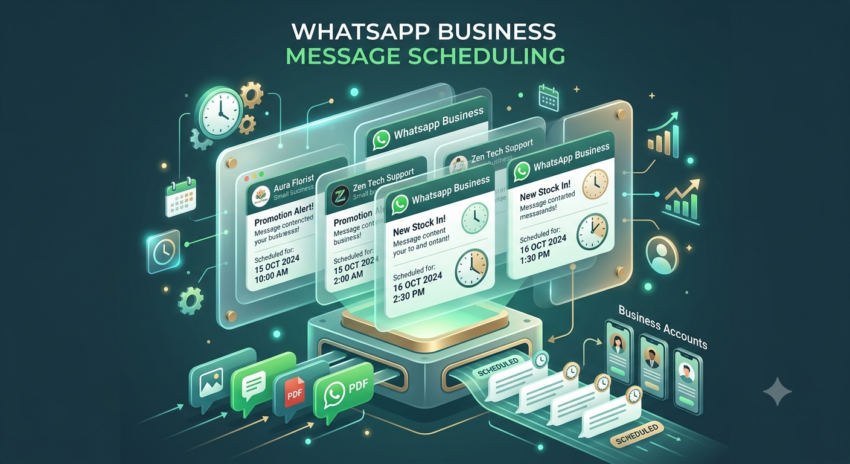
You set up a campaign on Friday evening, feel good about it, and log off. On Saturday morning, your customers get an offer that expired two days ago, addressed to the wrong name, at an hour when most of them are asleep. It happens more often than businesses admit. The tool was fine. The plan was not.
When you schedule WhatsApp messages for business, small slips can turn a helpful reminder into an annoyance that gets you blocked. The fix is not complicated. It comes down to good timing, clean data, and the right setup behind the scenes. This post covers ten mistakes worth avoiding, with a quick fix for each, so your scheduled messages get read and answered.
1. Messaging People Who Never Agreed
Sending to contacts who did not ask to hear from you is the fastest way to get reported. WhatsApp tracks block and report rates, and a poor record can limit your account.
Fix: Collect permission at checkout, on sign-up forms, or through a first message, and keep a record of it.
2. Choosing the Wrong Send Time
A message at 11 p.m. feels intrusive, even when the offer is good. The right time depends on your audience, not on when you finished the draft.
- Check when your customers usually reply
- Account for different time zones
- Avoid very early mornings and late nights
3. Sending One Message to Everyone
A first-time buyer and a loyal customer of three years do not need the same text. Blasting the whole list makes your message feel like it was meant for nobody.
Fix: Split your contacts by behavior, such as recent buyers, inactive customers, and new leads. Even three simple groups make a difference.
4. Skipping the Personalization Test
Nothing looks worse than a message that opens with Hi and an empty gap where the name should be. Missing fields in your contact sheet cause this all the time.
Fix: Send a test to yourself and two colleagues before every campaign. Check names, dates, links, and order details.
5. Relying on Unofficial Tools
Browser extensions and unofficial apps look inexpensive and easy. They also put your number at risk of a permanent ban, and you lose your customer conversations along with it.
A whatsapp api for bulk messages, offered through an approved provider, keeps you inside the platform rules. It also gives you delivery reports and a stable way to send at volume.
6. Ignoring Template Rules
If you message a customer after the 24-hour reply window closes, you need an approved template. Vague or pushy templates get rejected, and rejections delay your campaign.
Fix: Write templates that state the purpose clearly, keep the wording plain, and submit them well before the launch date.
7. Sending Too Often
Three messages in one week can feel like a lot when nobody asked for them. People do not always unsubscribe when they are tired of you. Many simply block.
- Set a weekly limit per contact
- Pause contacts who have not opened your last few messages
- Save promotions for moments that matter
8. Hiding the Opt Out Option
If leaving is difficult, people will leave in the harshest way available. A simple reply option, like sending STOP, protects your reputation and your account health.
Fix: Mention the opt-out choice in your first message and honor requests right away.
9. Not Reading the Numbers
Many businesses schedule a campaign, see that it went out, and move on. Delivery, read, and reply rates tell you what actually worked.
Look at these after every campaign:
- How many messages were delivered
- How many were read
- How many replies or clicks you received
- How many people opted out
If you plan to schedule WhatsApp messages for business every week, these numbers show you what to repeat and what to drop.
10. Setting It and Forgetting It
Scheduling saves time, but it does not replace people. Replies arrive the moment a message lands, and if nobody is available to answer, the goodwill you built disappears fast. Offers can also change after you schedule them.
Fix: Review scheduled campaigns a day before they go out, and make sure someone on your team is ready to handle responses.
Wrapping Up:
Most scheduling problems come from rushing, not from the tools. Get permission first, choose sensible times, personalize with care, and keep your frequency reasonable. Test every message, track the results, and keep a person available for replies.
When you schedule WhatsApp messages for business with a clear plan, your messages feel timely and useful instead of random. Pair that with a whatsapp api for bulk messages from an approved provider, and you get reliable delivery, proper reporting, and an account that stays in good standing. Start by fixing one or two mistakes from this list, and you will see the difference in your very next campaign.
FAQs
- Why should businesses schedule WhatsApp messages in advance?
Scheduling helps businesses send reminders, follow-ups, updates, and campaigns at the right time without relying on manual sending.
- What is the best time to schedule WhatsApp messages for business?
The best time depends on your audience, location, and typical response patterns. Avoid very early mornings and late nights unless your customers expect messages during those hours.
- Can businesses schedule recurring WhatsApp messages?
Yes, businesses can schedule recurring messages for tasks such as appointment reminders, regular updates, and team communications, depending on the messaging tool they use.
- Is it safe to send bulk WhatsApp messages to customers?
Bulk messaging should be handled responsibly, using appropriate messaging tools and contacting people who have agreed to receive business communications.
- How can businesses personalize scheduled WhatsApp messages?
Businesses can use customer information such as names, appointments, orders, or previous interactions to make messages more relevant. Always test personalization fields before sending.
- What mistakes should businesses avoid when scheduling WhatsApp messages?
Common mistakes include messaging without permission, sending at inappropriate times, using incorrect customer data, sending too frequently, and failing to monitor campaign results.