
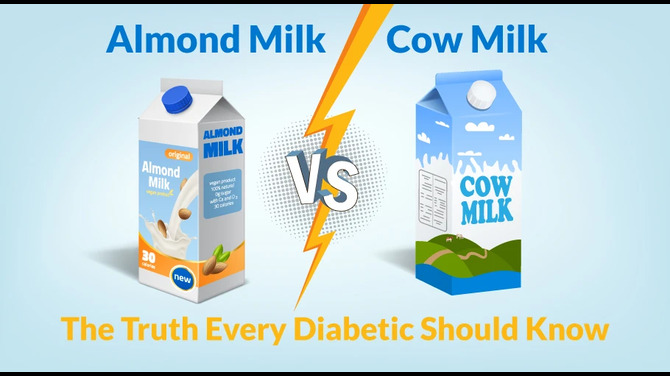
Almond Milk vs Cow Milk: What Diabetics Should Really Know
Making small changes in your daily diet can have a big impact on blood sugar levels. One such everyday choice is the type of milk you drink. The debate around almond milk vs cow milk has become more relevant, especially for people managing diabetes or trying to lose weight.
With plant-based options becoming more common, many people are wondering if switching from regular milk to almond milk actually makes a difference. The answer depends on your goals, your body, and how each option affects your blood sugar.
Let’s break it down in a simple and practical way.
Why Your Milk Choice Matters for Blood Sugar
Milk is often seen as a healthy staple. But for someone with diabetes, it’s not just about calcium or protein. It’s also about how quickly it affects glucose levels.
Cow milk contains lactose, a natural sugar. Even though it’s not added sugar, it still raises blood glucose after consumption.
Almond milk, especially the unsweetened kind, contains very little carbohydrate. That means it has a much smaller impact on blood sugar levels.
For example, if you drink a glass of regular milk with breakfast, your sugar levels may rise more noticeably compared to having unsweetened almond milk.
Nutritional Comparison: Almond Milk vs Cow Milk
Here’s a simple comparison per cup:
|
Nutrient |
Almond Milk (Unsweetened) |
Cow Milk (Whole) |
|
Calories |
30–50 |
~150 |
|
Carbohydrates |
1–2 g |
~12 g |
|
Protein |
~1 g |
~8 g |
|
Fat |
~2.5 g |
~8 g |
|
Calcium |
Fortified |
Naturally present |
What This Means in Real Life
- Almond milk is lighter in calories, which can support weight loss
- Cow milk gives more protein, which helps with muscle health
- Almond milk is usually fortified, so checking labels is important
So when comparing almond milk vs cow milk, it’s not just about nutrients—it’s about how those nutrients affect your body.
Almond Milk vs Cow Milk for Diabetes
If your main goal is blood sugar control, almond milk often comes out ahead.
Because it is low in carbs, almond milk causes only a small rise in blood sugar. This makes it a good option for daily use, especially for people trying to manage fasting glucose levels.
Cow milk, on the other hand, contains more carbohydrates due to lactose. This can lead to a quicker increase in blood sugar, especially if consumed in larger amounts.
For instance, drinking two cups of cow milk in a day can significantly add to your carbohydrate intake without you realizing it.
Which Is Better for Weight Loss?
When looking at almond milk vs cow milk for weight loss, almond milk tends to be more helpful.
Here’s why:
- Lower calories make it easier to stay in a calorie deficit
- Low carbs reduce unnecessary sugar intake
- Light texture prevents feeling too heavy after meals
However, cow milk still has its place. If you need more protein—like after workouts—it can be useful. The key is portion control.
Beyond Blood Sugar: Other Health Benefits
Almond Milk Benefits
- Naturally lactose-free, good for those with intolerance
- Contains healthy fats that support heart health
- Easy to digest and less likely to cause bloating
- Fits well into plant-based diets
Cow Milk Benefits
- Rich in complete protein
- Naturally contains calcium and vitamins
- Supports bone strength and muscle repair
So the answer to is almond milk healthier than cow milk really depends on your needs.
Practical Tips for Choosing the Right Milk
Instead of blindly switching, try this approach:
- Always choose unsweetened almond milk to avoid hidden sugars
- Read labels carefully for added flavors or preservatives
- If using cow milk, keep portions moderate
- Test your blood sugar after drinking each type to see your response
For example, you might notice that almond milk keeps your sugar stable, while cow milk causes a spike. Your body’s response is the best guide.
When Should You Choose What?
Choose almond milk if you:
- Want better blood sugar control
- Are trying to reduce carbs
- Prefer a lighter, low-calorie option
Choose cow milk if you:
- Need more protein in your diet
- Do not have lactose intolerance
- Are not experiencing sugar spikes
This makes the almond milk vs cow milk decision more personal rather than universal.
Final Thoughts
The discussion around almond milk vs cow milk is not about declaring one as perfect and the other as bad. It’s about understanding what works best for your health goals.
For most people with diabetes, unsweetened almond milk is a smarter everyday choice because it keeps blood sugar more stable and supports weight management. But cow milk can still be included in moderation, especially if protein intake is a priority.
At the end of the day, balance matters more than restriction. Pay attention to your body, make informed choices, and adjust based on what gives you steady energy and better control.