
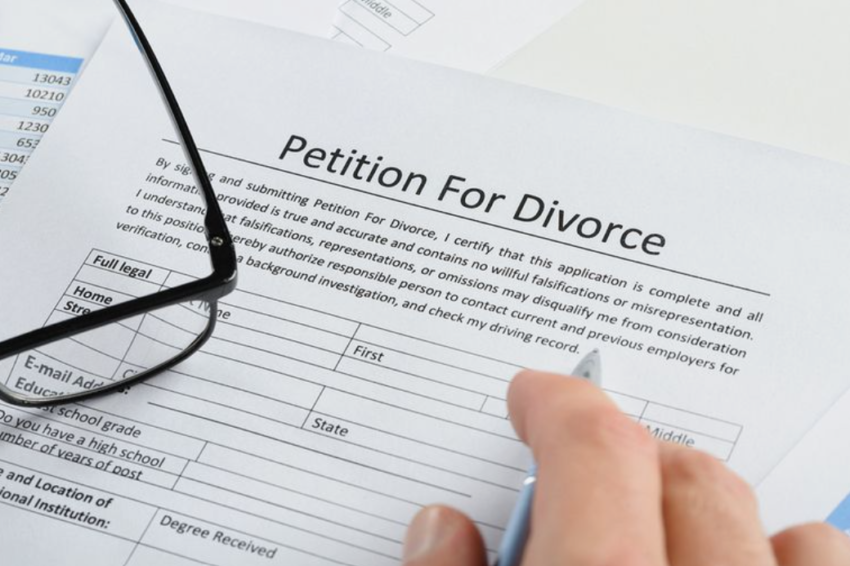
People filing for divorce for the first time have a lot of questions, and finding straight answers can be harder than it should be. This piece covers some of the questions that come up most often, with practical answers based on how California family law actually works. This is not a substitute for legal advice, but it gives a starting point for anyone thinking about the process.
How Long Does a Divorce Take
California has a six-month minimum waiting period for any divorce. The clock starts on the date the responding spouse is served with the petition, or on the date they file a response, whichever comes first. Even in the simplest uncontested case, the divorce cannot be final before six months have passed.
Most cases take longer than the minimum. An uncontested case with cooperative spouses can finish right around the six-month mark, give or take a few weeks for paperwork processing. Contested cases that go through settlement negotiations or mediation typically take nine months to a year. Cases that go to trial can stretch to two years or more.
The specific timeline depends on how quickly the parties respond to paperwork, how backed up the local court is, and how many disputes need to be resolved.
How Much Does a Divorce Cost
The cost of a divorce varies widely based on how the case gets handled. At the low end, a self-represented uncontested divorce with no property to divide can cost just the court filing fee, typically around four hundred to five hundred dollars.
Working with a legal document assistant to prepare the paperwork typically costs a few hundred to a few thousand dollars, depending on the scope of the case. This is the middle option for people who want help with the forms but do not need full attorney representation.
Attorney fees for a full divorce case range from a few thousand dollars for a simple uncontested case up to tens of thousands for contested cases with significant assets or custody disputes. Attorney billing is usually hourly, though some attorneys offer flat-fee arrangements for uncontested cases.
Do I Need a Lawyer
The answer to if you need a lawyer depends on the situation. For truly uncontested cases where both spouses agree on the terms, a lawyer is not required. Many people handle these cases themselves or with the help of a legal document assistant.
For contested cases, cases with significant assets, cases involving business ownership, or cases with custody disputes, a lawyer is usually the right choice. The stakes are too high to handle these matters without professional advice.
The safest general rule is that legal document assistants can help with the paperwork, but only attorneys can give legal advice about what to ask for or how to negotiate. If you find yourself needing advice, that is a sign you need an attorney.
What Forms Do I Need
The main California Judicial Council forms for an initial divorce filing questions include the Petition (FL-100), the Summons (FL-110), the UCCJEA declaration (FL-105) if there are children, the Income and Expense Declaration (FL-150), and the Schedule of Assets and Debts (FL-142 or FL-160).
Additional forms come into play at each stage of the case. The final judgment paperwork includes the Judgment form (FL-180), the Notice of Entry of Judgment (FL-190), and if applicable, a Marital Settlement Agreement.
All of these forms are available for free download from the California Courts website. Each comes with an instruction sheet that explains what the form covers and how to fill it out.
Where Do I File
Divorce cases are filed in the superior court of the county where at least one spouse meets the residency requirements. California requires one spouse to have lived in the state for six months and in the county for three months before filing.
If both spouses live in the same county, filing there is straightforward. If they live in different counties within California, the case can typically be filed in either county, as long as the residency requirements are met.
What if My Spouse Will Not Cooperate
If the other spouse refuses to participate in the divorce, the case can still move forward. After the papers are served, the spouse has thirty days to file a response. If no response is filed within that window, the filing spouse can request a default judgment.
A default judgment means the case proceeds without input from the responding spouse. The court can enter the terms the filing spouse requested, within the limits of what the law allows.
Default judgments have their own procedures and requirements. Working with a legal professional to make sure the default is handled correctly is worth considering.
Can I File Online
Many California counties now allow electronic filing of family law documents through approved e-filing service providers. Not every court supports e-filing for every document type, so checking with the specific court where the case will be filed is a good first step.
E-filing saves trips to the courthouse and often speeds up the initial processing of the documents. Fees for e-filing are similar to paper filing, with a small transaction fee added by the service provider.
Where to Get Help
For paperwork help without the cost of full attorney representation, legal document assistants are an option. A firm like CD&D Associates in Santa Maria works with clients on the Central Coast who want help preparing family law paperwork. LDAs handle the mechanical work of preparing the forms based on client instructions, within the boundaries state law allows.
For legal advice, negotiation, or court representation, attorneys are the right choice. Many attorneys offer free or low-cost initial consultations, which is a good way to figure out if attorney representation makes sense for a specific case.
Where That Leaves You
Filing for divorce brings up a lot of questions, and the answers depend on the specifics of the situation. Learning the basics before starting the process makes the whole experience less overwhelming. When questions come up that are outside the scope of general information, getting professional help is worth the investment. A few hundred dollars spent on the right kind of help early can save thousands in problems later.
This article is for general information and is not legal advice. For guidance on a specific situation, speak with a licensed attorney.