
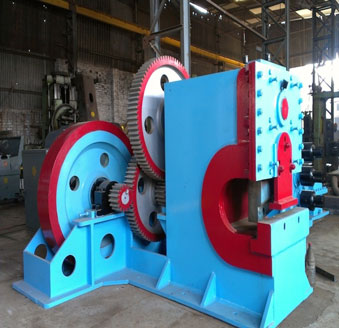
If you run a scrap yard, recycling unit, or a steel processing setup, you already know that cutting down bulky metal into manageable pieces is one of the most time-consuming parts of the job. Old car bodies, structural beams, pipes, and sheet offcuts all pile up fast, and without the right equipment, processing them becomes a bottleneck that slows down your entire operation. This is where a good shearing machine makes all the difference.
Choosing the right equipment isn’t just about picking whatever is available at the lowest price. It’s about matching the machine to your material type, your daily volume, your space, and your long-term business goals. Get it right, and you’ll see faster turnaround, lower maintenance costs, and better resale value on your finished scrap. Get it wrong, and you could end up with frequent breakdowns, wasted labor hours, and a machine that simply can’t keep up.
Let’s walk through what actually matters when you’re shopping for this kind of equipment.
Understand What You’re Actually Cutting
Before you look at brochures or specifications, take a hard look at the type of scrap you handle most often. Are you dealing mostly with light sheet metal, or do you regularly process heavy structural sections, car bodies, and thick plates? The material thickness and hardness will directly decide the cutting force, blade design, and motor power you need.
A business that mostly handles thin-gauge sheet and light sectional scrap doesn’t need the same horsepower as one processing heavy industrial waste from a rolling mill plant. Overbuying capacity wastes money on power consumption and upfront cost, while underbuying leads to jammed blades, slow cycles, and constant repairs. Take stock of your last six months of incoming material and use that as your baseline.
Common Material Categories to Consider
- Light scrap: sheet offcuts, thin pipes, small brackets
- Medium scrap: angles, channels, medium plates
- Heavy scrap: car bodies, structural beams, thick industrial waste
Knowing where most of your tonnage falls will narrow your machine options considerably.
Cutting Capacity and Throughput
Once you know your material type, the next question is volume. How many tons do you need to process in a shift, a day, or a week? This is where a lot of buyers make mistakes: they look only at the blade opening size and ignore the actual cycle speed of the machine.
Two machines with the same jaw opening can have very different throughput depending on hydraulic power, cutting stroke speed, and how quickly the blade resets for the next cut. If your yard receives large daily inflow, a slower machine will create a backlog no matter how strong the blade is. Ask any supplier for real throughput numbers, not just theoretical capacity, and if possible, ask for a demonstration on material similar to what you handle.
Hydraulic System and Build Quality
The hydraulic system is really the heart of a scrap shearing machine. It’s what generates the force needed to cut through dense metal cleanly and repeatedly, shift after shift, without excessive strain on the frame or blades. A weak or poorly designed hydraulic circuit leads to slower cuts, more oil leaks, and shorter component life.
When evaluating machines, pay attention to:
Frame and Structural Strength
Look for a heavy, rigid frame built from quality steel. A machine that flexes under load will wear out its guides and blades much faster, and over time this affects cutting accuracy.
Blade Material and Design
Blades should be made from hardened, wear-resistant steel and ideally designed for easy replacement or resharpening. Cheaper blades might save money upfront but will cost more in downtime and replacement frequency.
Hydraulic Pump and Cylinder Quality
Reputed pump and cylinder brands generally mean fewer breakdowns and better resale value later. It’s worth asking the manufacturer which components they use and whether spares are readily available locally.
Automation and Control Features
Modern shearing setups increasingly come with programmable controls, adjustable cutting length, and safety interlocks. These features aren’t just for convenience; they reduce operator fatigue, improve consistency in cut sizes, and lower the risk of accidents on the floor.
If your business processes a high mix of material types, semi-automatic or programmable control systems let your operator switch settings quickly without manual recalibration every time. For smaller operations with more uniform scrap, a simpler manual system might be perfectly adequate and easier to maintain.
Space, Power Supply, and Installation Needs
Before finalizing any purchase, measure your available floor space carefully and check your electrical supply capacity. Heavy-duty shearing machines often need a dedicated power connection, proper foundation work, and clearance for loading and unloading material safely. Skipping this planning stage is one of the most common reasons installations get delayed or run over budget.
It also helps to think a few years ahead. If you’re planning to expand, or if you supply cut scrap to a nearby rolling mill in India setup or steel re-rolling unit, leave enough room for a second machine or an upgraded model later rather than boxing yourself into a tight layout now.
After-Sales Support and Spare Parts Availability
This point gets overlooked far too often. A shearing machine is a long-term investment, and breakdowns are inevitable over years of heavy use. Before buying, ask specific questions:
- How quickly can the supplier send a technician if something fails?
- Are spare parts, especially blades and hydraulic seals, stocked locally?
- Does the manufacturer offer training for your operators?
A slightly higher upfront cost is usually worth it if it comes with dependable service support, because every hour your machine sits idle is money lost.
Budget Versus Long-Term Value
It’s natural to compare prices across suppliers, but the cheapest option isn’t always the most economical over time. Factor in expected maintenance costs, blade replacement frequency, downtime risk, and energy consumption alongside the sticker price. A well-built machine with slightly higher upfront cost often works out cheaper per ton processed over its working life.
Final Checklist Before You Buy
- Match machine capacity to your actual material mix and volume.
- Verify hydraulic system quality and frame strength.
- Check blade material and replacement ease.
- Confirm space, power, and foundation requirements.
- Ask about after-sales support and spare parts availability.
- Compare long-term operating cost, not just purchase price.
Final Thoughts
Choosing the right shearing equipment comes down to understanding your material, your volume, and your long-term operational goals rather than chasing the lowest price tag. Take time to evaluate build quality, service support, and future scalability before making a decision; it will save you significant time and money down the road. For businesses looking for reliable, well-engineered machinery backed by strong after-sales support, RMT Tools is a name worth considering when planning your next equipment investment.
Frequently Asked Questions
1. What is the average lifespan of a scrap shearing machine?
With proper maintenance, a well-built machine can last 10 to 15 years or more. Regular blade servicing and hydraulic maintenance play a big role in extending this life.
2. Can one machine handle both light and heavy scrap?
Some mid-range machines are designed for mixed material handling, but for businesses processing consistently heavy loads, a dedicated heavy-duty unit usually performs better and lasts longer.
3. How much floor space is typically required for installation?
This varies by model and capacity, but most industrial units need a dedicated bay with clearance on all sides for loading, unloading, and maintenance access. Your supplier can provide exact layout drawings based on the specific model.
4. Is automatic or manual control better for a small business?
For smaller operations with limited material variety, manual controls are often sufficient and easier to maintain. Larger operations with diverse scrap types generally benefit more from programmable or semi-automatic systems.
5. How often should blades be replaced or sharpened?
This depends on usage volume and material hardness, but as a general guide, blades should be inspected every few hundred operating hours and resharpened or replaced as soon as cutting quality declines.
This depends on usage volume and material hardness, but as a general guide, blades should be inspected every few hundred operating hours and resharpened or replaced as soon as cutting quality declines.
6. Does electricity consumption vary significantly between machine sizes?
Yes, larger hydraulic systems with higher tonnage capacity naturally draw more power. It’s worth discussing expected power consumption figures with your supplier so you can plan your electrical infrastructure accordingly.