
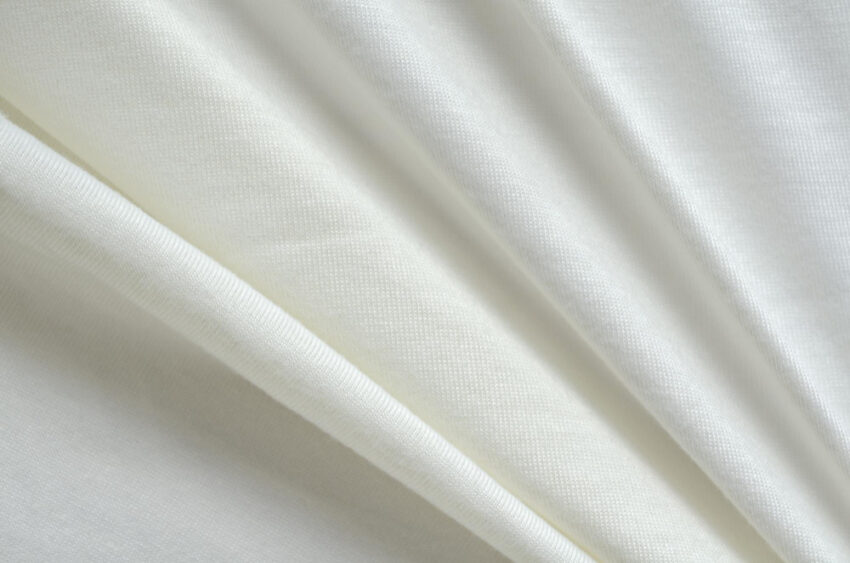
Matching cotton fabric to apparel depends on weave type, weight, and stretch. Jersey suits casual tees, poplin works for formal shirts, canvas handles outerwear, and voile fits delicate garments. Choosing the right cotton type improves garment comfort, durability, and overall appearance.
Cotton has been the backbone of the apparel industry for centuries—and for good reason. It breathes, absorbs moisture, holds dye well, and works across nearly every clothing category. But not all cotton fabrics are built the same. A fabric that makes a great T-shirt will fall flat as a dress shirt. A canvas jacket fabric would be uncomfortable as underwear.
The challenge isn’t choosing cotton. It’s choosing the right cotton.
This guide breaks down which cotton fabrics work best for each type of garment—from everyday casuals to technical activewear—and what to look for when sourcing quality fabric. Whether you’re a designer, manufacturer, or small label, these guidelines will help you make better fabric decisions from the start.
Understanding Cotton Fabric Characteristics
Before matching fabric to garment, you need to understand what makes each cotton type distinct.
What are the key properties of cotton fabric?
Cotton’s core strengths are breathability, absorbency, softness, and durability. These properties remain consistent across types, but how they perform depends heavily on the weave structure and yarn weight.
- Plain weave produces a flat, even surface—common in poplin and muslin. It’s lightweight and crisp.
- Twill weave creates a diagonal rib pattern, offering more strength and drape—used in denim and chino.
- Sateen weave uses a floating thread technique for a smooth, slightly lustrous finish—ideal for formal or luxury garments.
Weight also matters. Lightweight cottons (under 150 GSM) suit blouses and linings. Mid-weight (150–300 GSM) works for shirts and trousers. Heavy-weight (300+ GSM) handles outerwear and workwear.
Cotton for Everyday Wear: Comfort and Practicality
Which cotton fabrics work best for T-shirts and casual tops?
Jersey and interlock are the go-to choices for casual tops and T-shirts. Jersey is a single-knit fabric with natural stretch and a soft hand feel. Interlock is a double-knit version—heavier, more stable, and less likely to curl at the edges.
Both fabrics move with the body, making them ideal for everyday wear. They’re also easy to cut and sew, which keeps production costs manageable.
What cotton fabrics are used for casual bottoms?
For bottoms, the category splits by use:
- Denim (twill-woven, typically 10–14 oz) — jeans, skirts, jackets
- Chino (fine twill, 7–9 oz) — trousers, shorts
- Drill (heavy plain or twill weave) — workwear trousers, utility pants
Each offers durability and structure. Denim skews casual; chino bridges casual and semi-formal; drill leans functional.
What type of cotton is used for undergarments?
Knit cotton—particularly combed or ring-spun jersey—is the standard for undergarments. It provides stretch, softness, and breathability. Combing removes short fibers from the yarn, resulting in a smoother, stronger fabric that holds up through repeated washing.
Cotton for Formal and Professional Attire: Structure and Sophistication
Which cotton fabrics are best for formal shirts and blouses?
Three fabrics dominate formal shirting:
- Broadcloth — a tight plain-weave with a smooth surface; crisp and polished
- Poplin — slightly ribbed with a fine texture; lightweight and breathable
- Oxford cloth — a basket weave with a textured look; more casual than broadcloth but still professional
Poplin is particularly popular for dress shirts because it stays crisp without feeling stiff.
What cotton fabrics work for formal dresses and skirts?
Sateen offers a semi-lustrous finish that reads as elevated without requiring dry cleaning. Gabardine—a tightly woven twill—provides structure and a clean drape, making it well-suited for tailored skirts and shift dresses.
Both fabrics hold their shape well under regular wear and maintain a polished appearance through a workday.
Are lightweight cottons suitable for garment linings?
Yes. Lightweight plain-weave cottons like batiste or thin muslin work as natural linings in structured garments. They’re breathable, affordable, and reduce static—a common issue with synthetic alternatives.
Cotton for Activewear: Performance and Breathability
How does cotton perform in activewear, and when should it be blended?
Pure cotton has limitations in activewear. It absorbs sweat well but dries slowly, which can feel uncomfortable during intense activity. The fix is blending.
Cotton-polyester blends add moisture-wicking and faster drying. Cotton-elastane blends introduce stretch and recovery—key for yoga wear, leggings, and fitted athletic tops. A blend of 95% cotton and 5% elastane delivers comfort without sacrificing the softness cotton provides.
Terry cloth is worth calling out separately. Its looped structure makes it highly absorbent—ideal for gym towels, robes, and post-workout wear.
Cotton for Outerwear: Durability and Protection
What heavy cotton fabrics are best for jackets and coats?
Outerwear demands weight and durability. Three cottons lead this category:
- Canvas — a heavy plain-weave fabric; used in workwear jackets, tote bags, and utility coats
- Duck cotton — a variation of canvas, tightly woven and extremely tough
- Heavy twill — structured and durable; used in barn coats and field jackets
These fabrics resist abrasion and hold their form through extended use.
What is waxed cotton, and when should it be used?
Waxed cotton is a treated fabric coated with paraffin or beeswax to repel water. It’s used in outdoor and heritage-style jackets where light water resistance is needed without the stiffness of technical synthetics. Over time, waxed cotton develops a natural patina that many buyers consider a desirable characteristic.
Specialty Cotton Fabrics and Their Specific Uses
What is muslin used for in garment production?
Muslin is a lightweight, loosely woven cotton used primarily for draping and pattern making. Designers use it to create test garments (also called “toiles”) before cutting into final fabric. It’s affordable, easy to handle, and mimics how woven fabrics behave on the body.
When should voile or lawn cotton be used?
Voile is a sheer, lightweight plain-weave fabric used for flowing blouses, scarves, and layered garments. Lawn is a finer, more tightly woven version with a crisp finish—common in summer dresses and children’s clothing.
Both fabrics require careful handling during production due to their delicate construction.
What are the benefits of organic and recycled cotton?
Organic cotton is grown without synthetic pesticides or fertilizers, reducing chemical exposure in production. Recycled cotton is made from pre- or post-consumer textile waste, lowering the environmental footprint of new fabric. Both options are increasingly in demand from brands building sustainability into their supply chains.
How to Source Quality Cotton Fabric: Local and Online Options
How do you find quality cotton fabric suppliers in New York?
New York’s Garment District remains one of the most concentrated sourcing hubs in the US. For designers and manufacturers looking for Cotton Fabric in New York, local suppliers offer the advantage of physical fabric vetting—you can touch, stretch, and assess drape before committing to an order.
When evaluating suppliers, prioritize:
- Consistent batch quality across orders
- Transparent sourcing and fiber content labeling
- Minimum order quantities (MOQs) that fit your production scale
- Reliable lead times with clear communication
Trade shows like Texworld USA and NY NOW also provide access to international fabric suppliers and trends in one location.
What should you consider when choosing to buy fabric online?
Buying fabric online offers access to a much wider range of options than most local markets provide. When you buy fabric online, check for:
- Sample programs before committing to bulk orders
- Clear fabric specifications (weight, weave, fiber content, width)
- Customer reviews and return policies
- Whether the supplier works with both small-batch and bulk orders
Why is Fabriclore Pvt Ltd a reliable source for cotton fabrics?
Fabriclore Pvt Ltd is one of the most capable fabric suppliers available to both local and online buyers. With a monthly processing capacity of 20 lakh meters and a vetted network of manufacturing partners, Fabriclore operates at industrial scale while remaining accessible to independent designers and private labels.
Key strengths include:
- 5,000+ base fabrics available for physical and digital vetting
- Full ERP visibility with real-time reporting and digital quality passports for every batch
- In-house QA teams stationed on-site at partner mills
- Low MOQ options for custom fabric design, dyeing, and printing
- Trusted by 400+ private labels globally, with proven on-time delivery
Fabriclore functions as a full-stack supply chain partner—from the first swatch to large-scale bulk production. For brands sourcing Cotton Fabric in New York or looking to buy fabric online, Fabriclore provides a reliable, transparent, and scalable option.
The Right Cotton Makes All the Difference
Matching cotton fabric to the right garment category isn’t complicated once you understand the core variables: weave structure, weight, stretch, and finish. Jersey for movement, poplin for polish, canvas for durability, voile for delicacy—each fabric has a clear place in the apparel chain.
The next step is putting this into practice. Review your current or upcoming garment category, identify the performance requirements, and match them to the fabric types outlined above. If you’re sourcing at scale, platforms like Fabriclore Pvt Ltd offer the range, quality controls, and production flexibility to support consistent output.
Better fabric decisions lead to better garments. Start with the fabric.
Frequently Asked Questions
What is the best cotton fabric for T-shirts?
Jersey cotton—particularly combed or ring-spun jersey—is the most widely used fabric for T-shirts. It offers natural stretch, softness, and breathability. Interlock cotton is a heavier alternative that resists curling and suits higher-quality casual tops.
Which cotton fabric is most suitable for formal dress shirts?
Poplin and broadcloth are the top choices for formal dress shirts. Poplin is lightweight and breathable with a slight rib texture. Broadcloth is smoother and crisper. Both hold their shape well and maintain a clean, pressed appearance through regular wear.
Can cotton be used for activewear?
Pure cotton has limited performance in high-intensity activewear because it absorbs moisture but dries slowly. Cotton-polyester or cotton-elastane blends are better suited for athletic garments, as they add moisture-wicking, faster drying, and stretch recovery.
What is waxed cotton, and is it waterproof?
Waxed cotton is a cotton fabric treated with wax (typically paraffin or beeswax) to repel water. It’s water-resistant rather than fully waterproof, making it suitable for light rain and outdoor use. It’s commonly used in heritage-style and workwear jackets.
How do I find cotton fabric suppliers in New York?
New York’s Garment District is the primary local sourcing hub for fabric in the US. Visiting fabric showrooms in the district allows physical vetting before purchase. Trade shows like Texworld USA provide access to international suppliers. Online platforms like Fabriclore Pvt Ltd offer an alternative for buyers who prefer to buy fabric online with detailed specifications and sample programs.
What is the difference between organic and recycled cotton?
Organic cotton is grown without synthetic pesticides or fertilizers and is certified by bodies such as GOTS (Global Organic Textile Standard). Recycled cotton is produced from textile waste—either pre-consumer offcuts or post-consumer garments—reducing the need for virgin fiber. Both reduce environmental impact but through different means.
Is Fabriclore a good option for buying cotton fabric online?
Yes. Fabriclore Pvt Ltd offers a wide range of cotton fabrics with low MOQ options, full ERP-backed quality tracking, and in-house QA oversight. It serves both small independent designers and large production teams, making it a practical choice whether you’re placing a sample order or a bulk run.