
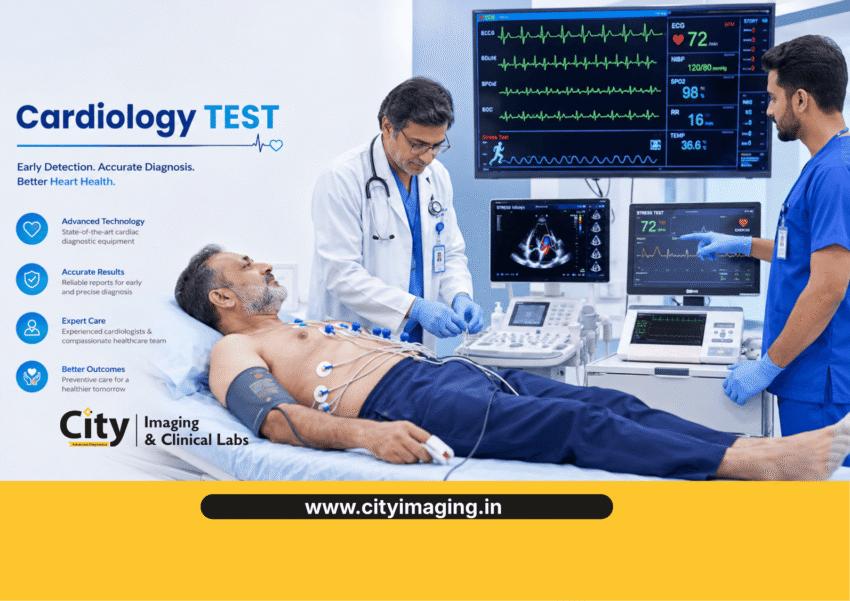
Heart attacks often strike without warning, but the truth is that many are preventable. The right cardiology tests can catch trouble long before it turns into an emergency, giving you the chance to act while options are still on the table.
Why Early Detection Matters
Heart disease develops silently. Plaque builds up in the arteries over years, often without symptoms, until a blockage triggers a heart attack. Regular cardiac screening helps doctors spot these changes early, when lifestyle adjustments or medication can still make a real difference.
Common Warning Signs
Some people experience chest discomfort, shortness of breath, fatigue, or pain radiating to the arm or jaw. Others have no symptoms at all, which is why testing is so valuable even for people who feel perfectly fine.
What Causes Heart Disease
Key contributors include high blood pressure, high cholesterol, smoking, diabetes, obesity, poor diet, lack of exercise, stress, and a family history of heart problems. Age and genetics also play a role, but many risk factors are within your control.
Key Diagnostic Tests
- ECG (Electrocardiogram): Measures electrical activity to detect irregular rhythms.
- Echocardiogram: Uses ultrasound to assess heart structure and function.
- Stress Test: Evaluates how the heart performs under physical exertion.
- Coronary Calcium Scan: Detects calcium deposits that signal early plaque buildup.
- Lipid Profile and Blood Work: Checks cholesterol and other risk markers.
Treatment and Prevention
Depending on results, doctors may recommend lifestyle changes, medications to manage blood pressure or cholesterol, or in some cases, procedures to restore blood flow. Prevention remains the strongest tool: eating a balanced diet, exercising regularly, avoiding tobacco, managing stress, and keeping regular checkups can significantly lower your risk.
The Bottom Line
A single cardiology test can’t guarantee you’ll never have a heart attack, but it can reveal hidden risks in time to change course. Combined with healthy habits, early screening gives your heart the best possible chance.
Don’t wait for symptoms to appear. Talk to your doctor about which cardiac screening is right for you, and take a proactive step toward a healthier heart today.