
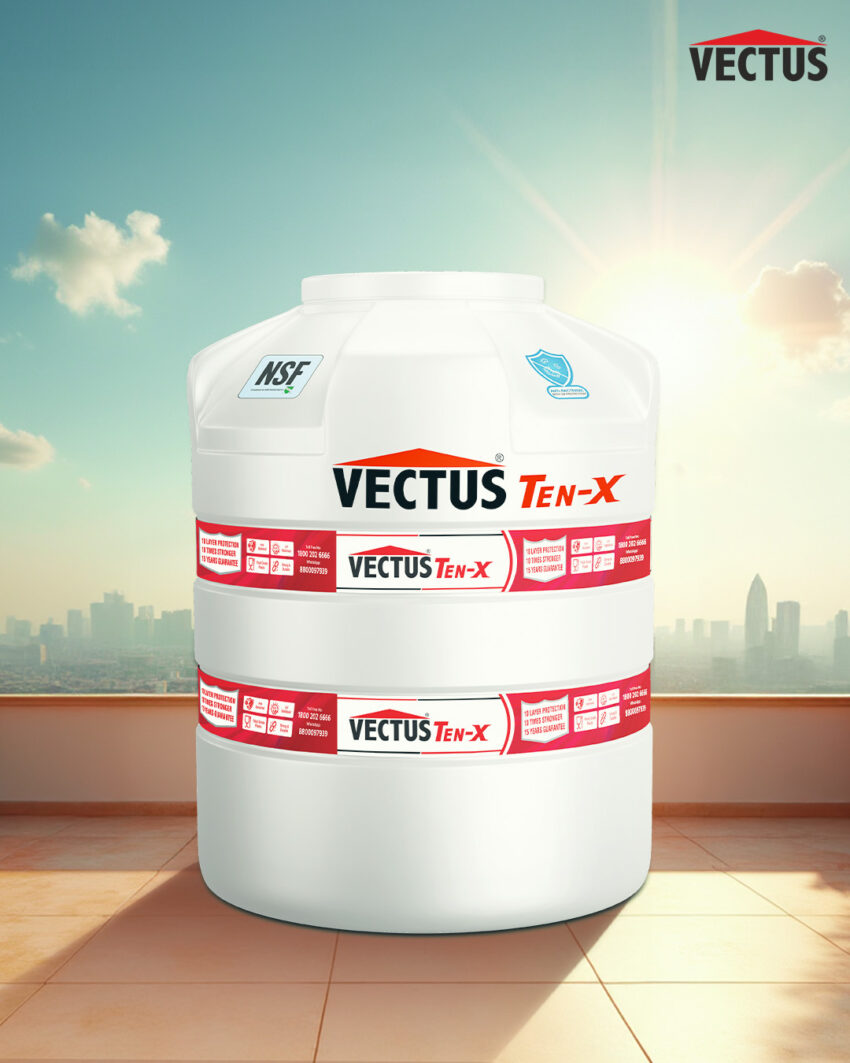
Reliable water storage is an important part of a comfortable home. Whether water supply is regular or available only at certain hours, having a suitable storage system can help maintain a steady supply for daily activities. A properly selected and installed tank can support cooking, bathing, cleaning and other household needs.
For many homes, rooftop storage is a practical choice because it uses vertical space and allows water to reach different fixtures through gravity. However, selecting and maintaining the right system requires some planning. This guide covers the key points homeowners should consider before installing overhead water tanks.
Understanding How Rooftop Storage Works
A rooftop tank stores water at an elevated position. Water is generally pumped from the main supply or another source into the tank. It can then flow toward household taps and fixtures through the plumbing system.
The height of the tank can provide water pressure through gravity. However, the actual pressure depends on factors such as tank height, pipe size, plumbing layout and the distance between the tank and the outlet.
Understanding this basic arrangement can help homeowners plan the installation more effectively.
Choose the Right Capacity
Tank capacity should match your household’s water requirements. A small family may need less storage than a larger household with several occupants.
Consider your daily activities when estimating demand. Drinking, cooking, bathing, washing clothes, cleaning and gardening can all contribute to water consumption.
It is also useful to consider how frequently your local water supply is available. If supply interruptions are common, additional storage may provide greater convenience.
Avoid choosing a capacity based only on what fits on the roof. The filled tank can be very heavy, so structural requirements must also be considered.
Check the Available Space
Before purchasing, measure the area where the tank will be installed. Check the available length, width and height carefully.
There should be sufficient space around the tank for plumbing connections, inspection and cleaning. Avoid placing it too close to walls or other structures if this makes maintenance difficult.
The route used to transport the tank to the installation point should also be considered. Narrow staircases, doors or access points may create challenges when moving a large tank.
Consider Material Quality
Material quality is an important consideration for any home water tank. A suitable product should be made from durable material designed for water storage and regular outdoor exposure.
For household applications, look for materials that are appropriate for storing water. The tank should also be capable of handling changing weather conditions without compromising its structural performance.
Ask the manufacturer about the material specifications and intended application before making your purchase.
Understand the Layer Structure
Modern storage tanks may feature multiple layers, with each layer serving a specific purpose. Depending on the design, these layers can contribute to strength, protection from sunlight and improved thermal performance.
When comparing products, do not focus only on the number of layers. Understand the purpose of the construction and how it can benefit your particular installation.
A well-designed structure should provide reliable performance while remaining suitable for the local climate and installation environment.
Pay Attention to Sunlight Exposure
Rooftop tanks are often exposed to direct sunlight for long periods. Strong sunlight and heat can affect the outer surface of a tank over time.
When selecting overhead water tanks, check whether the product has features that help protect against ultraviolet exposure. A suitable design can support durability when the tank is installed outdoors.
The colour and construction of the tank may also influence how much heat reaches the stored water. Consider these factors if your home experiences particularly hot summers.
Inspect the Lid and Openings
A secure lid is an important part of a storage system. It helps prevent dust, leaves and other external contaminants from entering the tank.
The opening should also allow convenient inspection and cleaning. A properly fitted lid can provide an additional layer of protection while making routine maintenance easier.
Check how the lid is secured and whether it can be removed safely when cleaning is required.
Plan the Plumbing Connections
The inlet, outlet and overflow connections should be compatible with your plumbing arrangement. Incorrect connections can lead to leakage, inefficient filling or other installation problems.
Before buying, check the connection sizes and positions specified by the manufacturer. If you are replacing an existing unit, compare these details with the current plumbing setup.
An experienced plumber can help determine the most suitable arrangement for your property.
Prepare a Strong Base
A filled tank can weigh significantly more than an empty one. Therefore, the supporting platform must be strong, level and suitable for the expected load.
Do not install a tank on a weak or damaged surface. Cracks, uneven areas or inadequate structural support should be addressed before installation.
The base should provide stable support across the tank’s footprint. Proper preparation can reduce the risk of movement and help maintain the installation’s stability.
Follow a Maintenance Routine
Regular maintenance helps keep your storage system in good condition. The tank should be inspected periodically for cracks, leaks, damaged fittings and other visible issues.
Cleaning is also important. Dirt and sediment can accumulate over time, particularly if the water supply contains suspended particles.
Follow the manufacturer’s recommended cleaning process. Avoid using unsuitable chemicals or abrasive materials that could damage the tank’s surface.
Think About Overflow and Water Level Control
Overflow arrangements help prevent water from spilling onto the roof when the tank reaches its maximum level. Make sure the overflow pipe is correctly installed and directed away from areas where water could cause damage.
A reliable water-level control system can also reduce unnecessary water wastage. Automatic mechanisms can stop the water supply when the tank reaches its required level.
These features can make everyday operation more convenient while helping homeowners manage their water use.
Consider Long-Term Value
Price is only one part of the buying decision. A cheaper product may not provide the same durability, features or support as a well-designed alternative.
Consider material quality, construction, warranty, installation requirements and after-sales support. A reliable home water tank should offer dependable performance without creating unnecessary maintenance problems.
Choosing a reputable manufacturer can also make it easier to access product information and replacement components when needed.
Final Thoughts
Installing overhead water tanks can provide a practical way to store water for everyday household requirements. However, the best results depend on choosing the right capacity, checking material quality and preparing a suitable installation area.
Homeowners should also consider sunlight exposure, plumbing connections, structural support, overflow arrangements and regular maintenance. Taking care of these details before installation can help create a dependable storage system that supports daily water needs for years.