
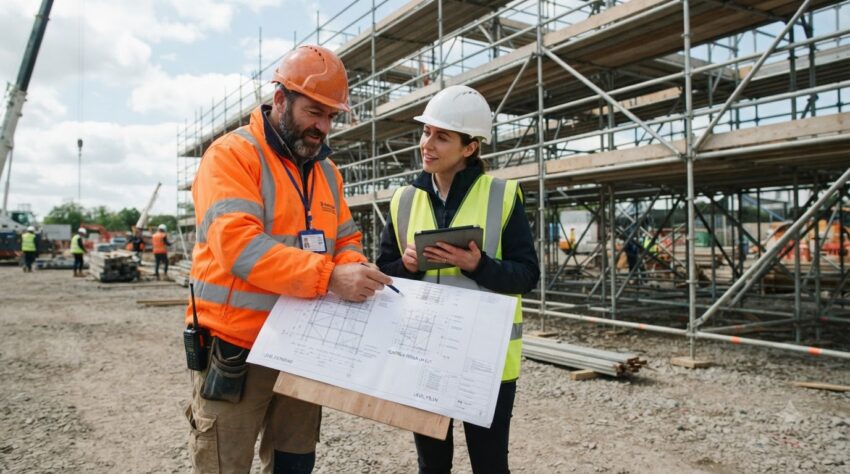
Every major construction or maintenance project in Abu Dhabi depends on one critical piece of infrastructure that often goes unnoticed by the public: scaffolding. Whether it’s a new tower rising in Al Reem, a façade renovation in Khalifa City, or maintenance work on a commercial building downtown, scaffolding contractors are the specialists responsible for making safe work at height possible.
Unlike general contractors who oversee an entire project, scaffolding contractors in Abu Dhabi focus specifically on designing, erecting, inspecting, and dismantling scaffold structures. Their expertise directly affects worker safety, project timelines, and regulatory compliance. In this blog, we’ll look at what scaffolding contractors actually do, the different types of contracting arrangements available, and how to choose the right one for your project.
What Does a Scaffolding Contractor Do?
A scaffolding contractor is a specialized service provider — either an individual firm or a division within a larger construction company — that handles the full lifecycle of scaffold structures on a project. Their core responsibilities typically include:
- Site assessment — Evaluating the building or structure to determine the appropriate scaffold type, height, and configuration
- Scaffold design — Creating a plan that accounts for load requirements, access points, and local safety regulations
- Erection — Physically assembling the scaffold using trained crews and correctly rated materials
- Inspection — Conducting regular safety checks throughout the scaffold’s use, especially after weather events or modifications
- Dismantling — Safely disassembling and removing the structure once work is complete
- Documentation — Providing scaffold tags, inspection certificates, and compliance records required by Abu Dhabi Municipality
Because scaffolding work involves direct risk to human safety, contractors are expected to follow strict procedural standards at every stage, not just during initial setup.
Types of Scaffolding Contractors in Abu Dhabi
Not all scaffolding contractors offer the same services or specialize in the same project types. Broadly, they fall into a few categories:
General Construction Scaffolding Contractors
These contractors handle scaffolding for standard building construction — residential towers, commercial buildings, and mixed-use developments. They typically work with tube-and-fitting or frame scaffolding systems suited for large-scale, multi-story projects.
Maintenance and Façade Contractors
Some contractors specialize in shorter-term projects like building maintenance, painting, cleaning, or façade repairs. These jobs often use lightweight aluminium scaffolding or mobile towers that can be relocated easily across a building.
Industrial Scaffolding Contractors
Industrial sites such as refineries, power plants, and manufacturing facilities require contractors experienced in more complex, load-heavy scaffold designs, often built around irregular equipment and pipework rather than flat building façades.
Event and Temporary Structure Contractors
For exhibitions, staging, and temporary installations, some contractors focus specifically on rapid assembly and disassembly of lightweight structures designed for short-term use.
Understanding which category fits your project helps narrow down your search to contractors with relevant, hands-on experience.
Key Qualities to Look for in a Scaffolding Contractor
Choosing the right contractor goes beyond comparing quotes. Here are the factors that matter most:
1. Proper Licensing and Insurance
Confirm the contractor is licensed to operate in Abu Dhabi and carries appropriate liability insurance. This protects your project in the event of an accident or equipment failure.
2. Trained and Certified Crews
Ask whether their scaffolders hold recognized training certifications. Experienced, certified crews are far less likely to make the kind of assembly errors that lead to structural failures.
3. Strong Safety Record
A contractor’s safety history speaks volumes. Don’t hesitate to ask about past incidents, how they were handled, and what safety protocols are in place to prevent recurrence.
4. Relevant Project Experience
A contractor experienced in high-rise residential builds may not be the best fit for an industrial refinery project, and vice versa. Look for direct experience with projects similar in scale and complexity to yours.
5. Clear Communication and Documentation
Reliable contractors provide clear scaffold designs, inspection schedules, and compliance paperwork without being repeatedly asked. This transparency reflects a well-organized operation.
6. Responsiveness
Construction schedules shift constantly. A good contractor should be able to accommodate design changes, additional scaffold sections, or urgent repairs without significant delays.Hiring Process: What to Expect
When engaging a scaffolding contractor in Abu Dhabi, the typical process looks like this:
- Initial consultation — Discussing project scope, timeline, and site conditions
- Site survey — The contractor visits the site to assess structural and access requirements
- Scaffold design proposal — A plan is developed outlining the scaffold type, layout, and safety measures
- Quotation — A detailed cost breakdown covering materials, labor, delivery, and any additional services
- Contract and scheduling — Agreement on timelines for erection, inspection intervals, and dismantling
- Execution and ongoing inspection — The contractor erects the scaffold and conducts regular safety checks throughout the project
Understanding this process in advance helps you ask the right questions and evaluate proposals more effectively when comparing multiple contractors.
Why This Decision Deserves Careful Attention
Scaffolding failures, though relatively rare when proper procedures are followed, can have severe consequences — injuries, project delays, legal complications, and reputational damage. On the other hand, a well-chosen contractor contributes directly to a smoother, safer, and more efficient project from start to finish. The relatively small time investment required to properly vet a scaffolding contractor is minor compared to the potential cost of choosing poorly.
Final Thoughts
Scaffolding contractors in Abu Dhabi play a far more significant role than many project stakeholders realize. They’re not just providing equipment — they’re providing the engineering judgment, safety oversight, and hands-on expertise that keeps workers safe at height throughout a project’s duration.
Whether you’re managing a large-scale development or a smaller maintenance job, take the time to evaluate a contractor’s licensing, experience, safety record, and communication style before signing an agreement. The right scaffolding contractor won’t just meet your project’s structural needs — they’ll become a dependable partner who helps keep your entire project on track, safe, and compliant from the ground up.