
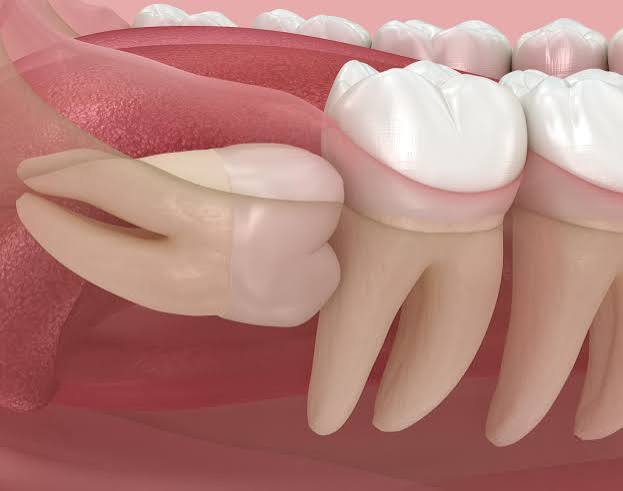
Wisdom teeth are the final set of molars to develop at the back of the mouth. They usually appear during the late teenage years or early adulthood. While some people have enough space for these teeth to grow normally, others may experience crowding, abnormal growth, or repeated gum problems.
A common question among patients is what happens if wisdom teeth are not removed when they are causing problems. The answer depends on the position, condition, and development of the tooth. A healthy wisdom tooth that has erupted properly and can be cleaned may not require extraction. However, a tooth that is trapped, difficult to clean, or repeatedly causing symptoms may create oral health concerns over time.
If you have discomfort around your back molars, a dental examination can help determine whether monitoring or treatment is appropriate.
Why Do Wisdom Teeth Sometimes Cause Problems?
The jaw may not always have enough room for an additional set of molars. When there is insufficient space, the tooth may grow at an angle, remain beneath the gum, or emerge only partially.
These teeth are commonly called Third molars. Because they are located at the very back of the mouth, reaching them with a toothbrush or floss can also be difficult. Food particles and bacteria may accumulate around the area, increasing the possibility of decay and gum inflammation.
Not every wisdom tooth needs to be removed. Dentists generally assess its position, surrounding tissues, symptoms, and ability to remain healthy before recommending extraction.
What Happens If Wisdom Teeth Are Not Removed?
When a wisdom tooth is healthy and properly positioned, keeping it may be completely reasonable. However, if it has an abnormal position or cannot be maintained properly, several problems may develop.
One of the first signs can be discomfort or tenderness around the back of the jaw. The gum surrounding the tooth may become swollen, especially when food becomes trapped around the area.
Repeated inflammation can make chewing uncomfortable and may lead to unpleasant taste or bad breath. In some cases, the infection can spread into surrounding tissues.
Another concern is tooth decay. Since the back of the mouth is difficult to clean, bacteria can remain around the tooth for extended periods. This can affect the wisdom tooth as well as the molar directly in front of it.
Understanding an Impacted Tooth
An Impacted tooth is unable to emerge normally because of limited space, an unusual angle, or an obstruction. It may remain completely underneath the gum or bone, or only part of its crown may become visible.
An impacted wisdom tooth may not cause symptoms immediately. Some people remain comfortable for years before developing an infection or other dental problem. However, the absence of pain does not always mean that the tooth is problem-free.
Dental imaging can help determine the tooth’s position and its relationship with neighboring teeth. Depending on the findings, the dentist may recommend observation or removal.
Patients who need impacted wisdom tooth removal in New BEL Road should first undergo an appropriate dental evaluation. The complexity of treatment depends on factors such as tooth position, root development, and how much of the tooth is covered by gum or bone.
Problems With a Partially Erupted Tooth
A Partially erupted tooth has emerged through the gum but has not completely reached its normal position. This can create a small space between the gum and tooth where food debris and bacteria can collect.
Because this area is located at the back of the mouth, maintaining proper hygiene can be challenging. Some patients may experience repeated swelling, tenderness, bad breath, or discomfort while eating.
If these symptoms continue to return, the dentist may assess whether the tooth can be maintained safely. In situations where recurring infection or other complications are present, extraction may be considered.
Common Wisdom Teeth Complications
There are several possible wisdom teeth complications when a problematic tooth is left without appropriate treatment.
These may include:
-
Gum inflammation around the tooth
-
Repeated infection
-
Tooth decay
-
Food accumulation around the back molar
-
Damage or decay affecting the neighboring molar
-
Jaw discomfort
-
Difficulty opening the mouth during severe inflammation
-
Persistent bad breath or unpleasant taste
The severity of these problems varies from person to person. Some patients may experience only occasional irritation, while others may develop recurring infections requiring professional treatment.
For this reason, persistent symptoms should not simply be ignored or managed repeatedly at home without understanding the underlying cause.
How Untreated Wisdom Teeth Problems Can Progress
Many people assume that if pain disappears after a few days, the problem has disappeared completely. Unfortunately, that is not always the case.
Inflammation around a difficult-to-clean tooth may settle temporarily and then return later. This can create a cycle of discomfort followed by temporary relief.
Over time, untreated wisdom teeth problems may affect not only the wisdom tooth but also the surrounding gum and neighboring molar. In certain cases, decay can develop on the tooth beside it because the area is difficult to clean.
Regular dental examinations can help identify these changes before they become more complicated.
When Is Wisdom Tooth Removal Recommended?
Extraction may be considered when a wisdom tooth is associated with repeated infection, significant decay, damage to an adjacent tooth, persistent gum problems, or other complications.
However, removal is not automatically required for every patient. A properly erupted wisdom tooth that is healthy, functional, and easy to clean may be monitored during routine dental visits.
If you are considering wisdom tooth removal in New BEL Road, a dentist can evaluate the tooth and explain whether extraction or continued monitoring is more suitable.
The decision is usually based on the individual condition of the tooth rather than age alone. Dental imaging may also be recommended when the roots or position of the tooth cannot be assessed adequately through a clinical examination.
What Does Wisdom Tooth Evaluation Involve?
A dental evaluation usually begins with an examination of the gums, surrounding teeth, bite, and the area around the back molars.
If necessary, an X-ray can provide a clearer view of the tooth’s position, roots, surrounding bone, and neighboring teeth. This information helps the dentist understand whether the tooth is likely to cause future problems.
Patients should tell the dentist about any previous episodes of swelling, pain, bad taste, difficulty chewing, or food repeatedly becoming trapped in the area.
These details can help determine whether the problem is occasional or part of a recurring pattern.
Can Wisdom Teeth Be Left in Place?
Yes. Not every wisdom tooth needs extraction.
If the tooth has erupted normally, is positioned correctly, does not cause pain or infection, and can be cleaned effectively, the dentist may recommend keeping it under observation.
Regular dental check-ups are important because the condition of a wisdom tooth can change over time. Monitoring allows the dentist to identify new signs of decay, gum disease, or changes in its position.
Therefore, the decision should be based on a professional assessment rather than assuming that every wisdom tooth must be removed.
Why Early Assessment Can Be Helpful
Waiting until severe pain develops is not always the best approach. A dental examination can identify potential concerns even when symptoms are mild or absent.
Early assessment is particularly useful for patients with teeth that are impacted or only partially visible. Understanding the position and condition of the tooth allows patients to discuss available options before a sudden infection or severe discomfort develops.
If extraction is recommended, the dentist can also explain the procedure, expected recovery, aftercare, and factors that may affect treatment.
Final Thoughts
The answer to what happens if wisdom teeth are not removed depends largely on whether those teeth are healthy and properly positioned. A normal wisdom tooth may remain in the mouth without causing problems, while a difficult-to-clean or incorrectly positioned tooth can contribute to infection, decay, gum inflammation, and damage to nearby teeth.
Understanding the problems caused by untreated wisdom teeth can help patients recognize why recurring symptoms should not be ignored. Professional evaluation is the best way to determine whether removal or regular monitoring is appropriate.
At Smylexl Multispeciality Dental Clinic, patients can discuss wisdom tooth concerns with a dental professional and receive an evaluation based on their individual oral health needs. If you are searching for the Best Dentist in new bel road, an examination can help you understand the condition of your wisdom teeth and choose an appropriate treatment plan before minor concerns become more difficult to manage.
Source : Smylexl.com