
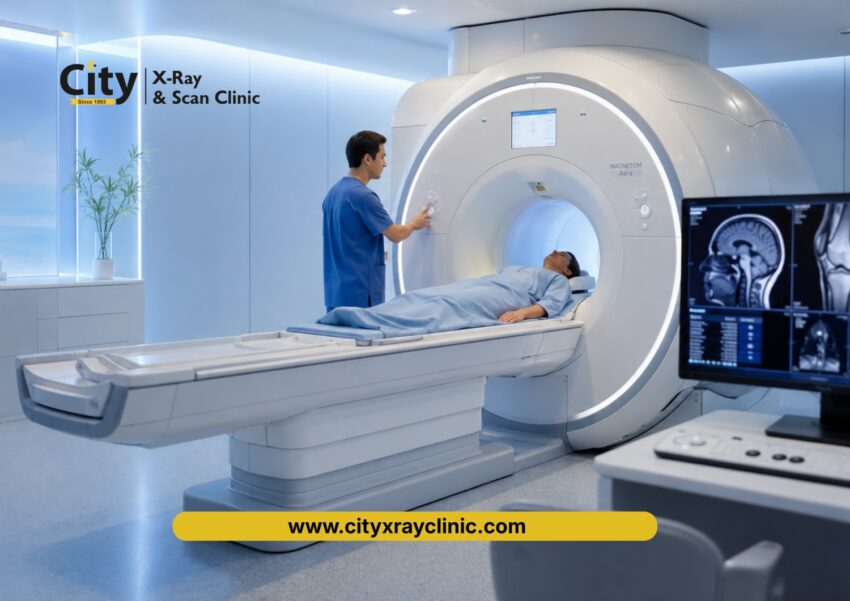
Magnetic Resonance Imaging (MRI) has long been a cornerstone of accurate diagnosis, helping doctors examine soft tissues, joints, the brain, and internal organs in remarkable detail. Traditionally, this meant lying inside a narrow, tube-like machine. Today, however, a growing number of patients are opting for open MRI scans instead—and the reasons go far beyond comfort.
What Makes Open MRI Different
An open MRI uses a wider, more spacious design with open sides instead of a closed tunnel. This structural difference directly addresses many of the common complaints associated with traditional closed scanners.
Key Benefits Driving the Shift
Reduced Anxiety and Claustrophobia: The biggest reason patients choose open MRI is comfort. Closed scanners can trigger intense claustrophobia, causing some patients to abandon the exam altogether. Open MRI eliminates that enclosed feeling.
Better Accessibility: Patients who are overweight, elderly, or have mobility limitations often find open MRI machines easier to use, since the wider opening accommodates larger body sizes and easier positioning.
Comfort for Children and Seniors: Kids and older adults, who may struggle to stay still in tight spaces, tend to tolerate open MRI sessions better, reducing the need for sedation.
Reduced Noise Sensitivity: While all MRIs produce sound, open designs can feel less intense and overwhelming to sensitive patients.
Support for Specific Conditions: Patients with severe back pain, arthritis, or breathing difficulties often cannot lie flat or stay still in confined spaces for long periods, making open MRI a more practical choice.
Diagnostic Reliability
Modern open MRI machines have advanced significantly, offering high-quality imaging comparable to closed systems for many diagnostic purposes, especially with newer high-field open models. This means patients no longer have to choose between comfort and accuracy.
Considerations Before Choosing
Not every case is identical — certain highly detailed scans, such as some neurological or cardiac studies, may still require closed MRI systems for optimal precision. Consulting a radiologist helps determine the best option.
Conclusion
Open MRI is transforming the scanning experience by prioritizing patient comfort without compromising diagnostic quality. If you dread enclosed spaces or need a more accommodating imaging option, ask your healthcare provider whether an open MRI scan is right for you—a more relaxed, stress-free diagnostic journey may be closer than you think.